

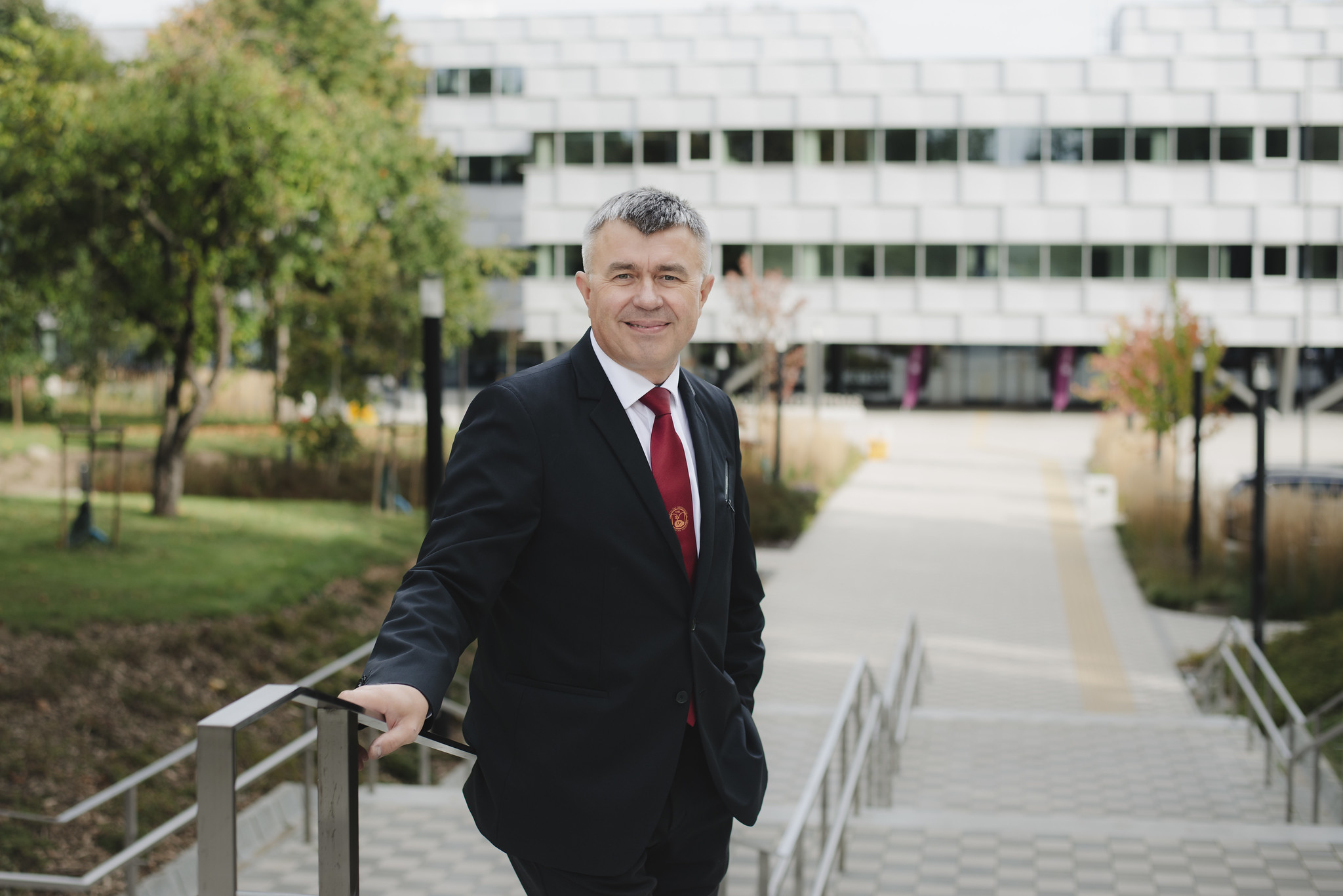
 Dean of the VU Faculty of Medicine, Prof. Dr Dalius Jatužis / MF archives
The Medical Science Centre of the Faculty of Medicine at Vilnius University (VU MF MSC) is celebrating its first anniversary. In just one year, it has evolved into more than just a research space for key fields of science and has become a vibrant centre of attraction that brings together the international community of medical researchers. The building, which is still being equipped for medical researchers, has already hosted numerous conferences, discussions and public events. Designed to promote collaboration and innovation, the MSC is finding its footing as a place where ideas and new scientific research take shape.
The vision: to bring together a thriving community to develop translational, personalised medicine
One of the key goals of the MSC is to bring together a science-based community who would exchange ideas and collaborate with specialists in both clinical disciplines and fundamental sciences to advance research together. According to Prof. Dr Dalius Jatužis, Dean of VU MF, the centre opened its doors a year ago with great enthusiasm and a bold vision to lay the foundations for translational science, and personalised and digital medicine. “The start was really excellent, and today we are proud to see that our centre is thriving, filled with innovation, promising scientific projects, and the positivity and community spirit of the people working here. I am delighted that we are collectively shaping a new chapter in the history of the Faculty of Medicine. Each new day at the centre is living proof that our future vision for medical science and medicine is becoming a reality, and this drives us all forward!” the Dean said.
The centre has opened entirely new opportunities for developing new fields of science and interdisciplinary research. Its establishment has necessitated a review of how research activities are managed and organised. According to Assoc. Prof. Dr Karolis Ažukaitis, Vice-Dean for Science and Innovation at VU MF, one of the most important changes has been the establishment of the Translational Health Research Institute (THRI). “The essence of translational science is to bridge laboratory research with real-life health-related challenges, and to ensure that research findings are applied in clinical practice. Achieving this requires a steady focus on research topics aligned with these goals and the strengthening of competencies in line with current trends,” he said.
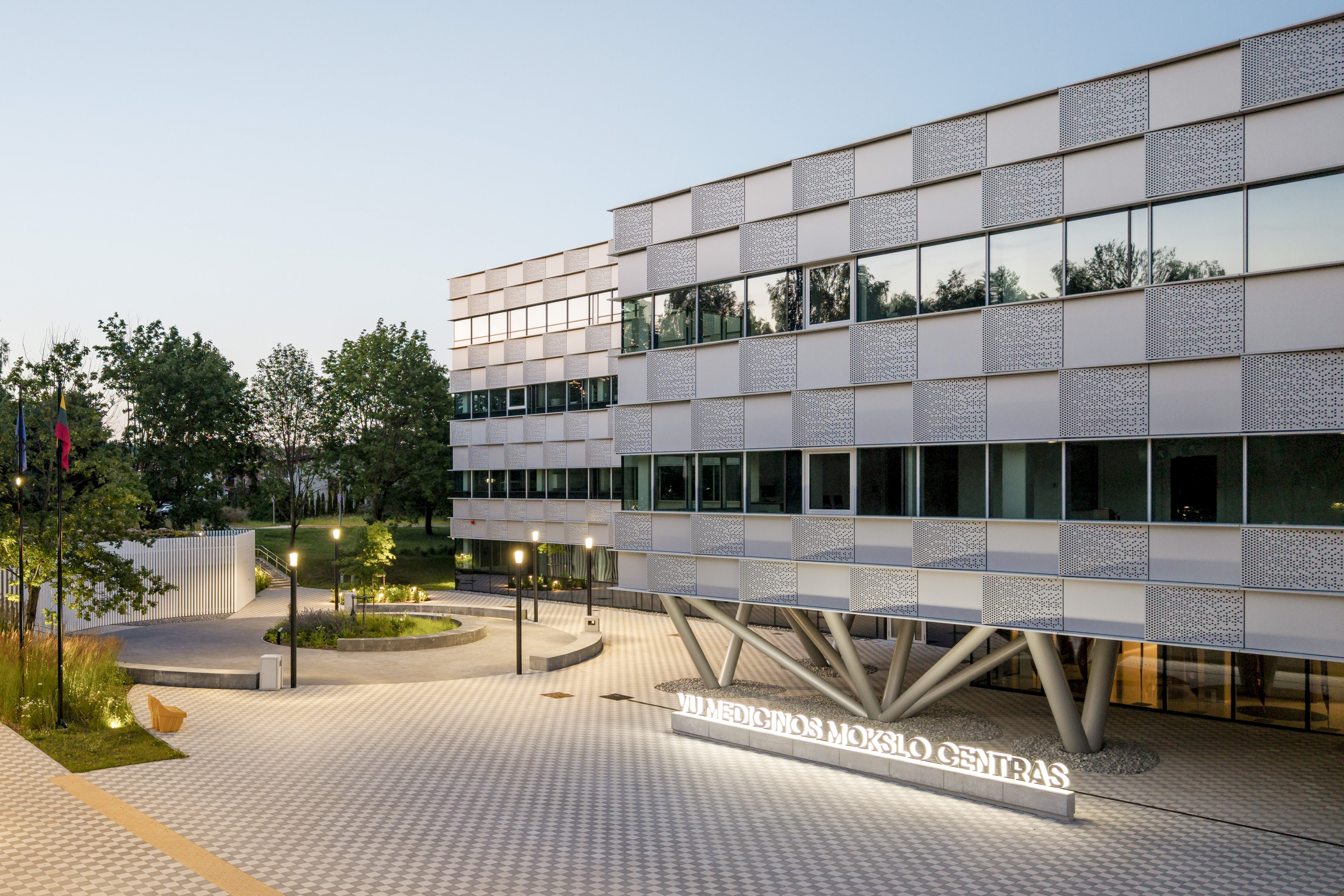 Medical Science Centre / Photo by Ričardas Čerbulėnas.
According to THRI Director, Prof. Dr Tomas Poškus, colleagues who have relocated here from VU MF departments are now able to dedicate more time to translational medical research. “It is gratifying that scientists with international experience from renowned research institutions have returned to Lithuania and are establishing independent research groups for developing completely new fields of research. I am also very pleased that physicians at Vilnius University Hospital Santaros Klinikos are finding opportunities to work together with MSC researchers, generating new ideas and testing some scientific innovations in clinical practice,” the professor commented.
One of the important plans for the near future is the establishment of an advanced disease modelling centre in collaboration with Utrecht University, Utrecht University Medical Centre and the Santaros Klinikos. The centre will focus on developing non-animal-based disease models, using, for example, organoids – tissues grown from patient cells, to be able to conduct scientific research. These are important for researching disease mechanisms and driving innovation in personalised medicine. “This is part of the International Centres of Excellence project, a strategic investment by the Ministry of Education, Science and Sport to foster high-tech research and innovation in Lithuania. Following more than a year of negotiations with foreign partners and an international selection procedure, the centre was rated highly and secured a substantial investment to then begin operations. The centre and its international research teams are set to start work next year, and are expected to significantly strengthen the potential of translational science both nationally and across the region,” Assoc. Prof. Dr Ažukaitis explained.
We are especially delighted to welcome the new researchers who have joined THRI, bringing with them outstanding expertise gained at the best international research centres, further enriching the scientific capacity of VU MF. “I hope that, with the new centre now running smoothly, we will continue to attract more researchers from other VU MF institutes or other VU departments. This will help the MSC grow into a place that brings people together and focuses on addressing issues of real importance to society,” Assoc. Prof. Dr Ažukaitis described the prospects.
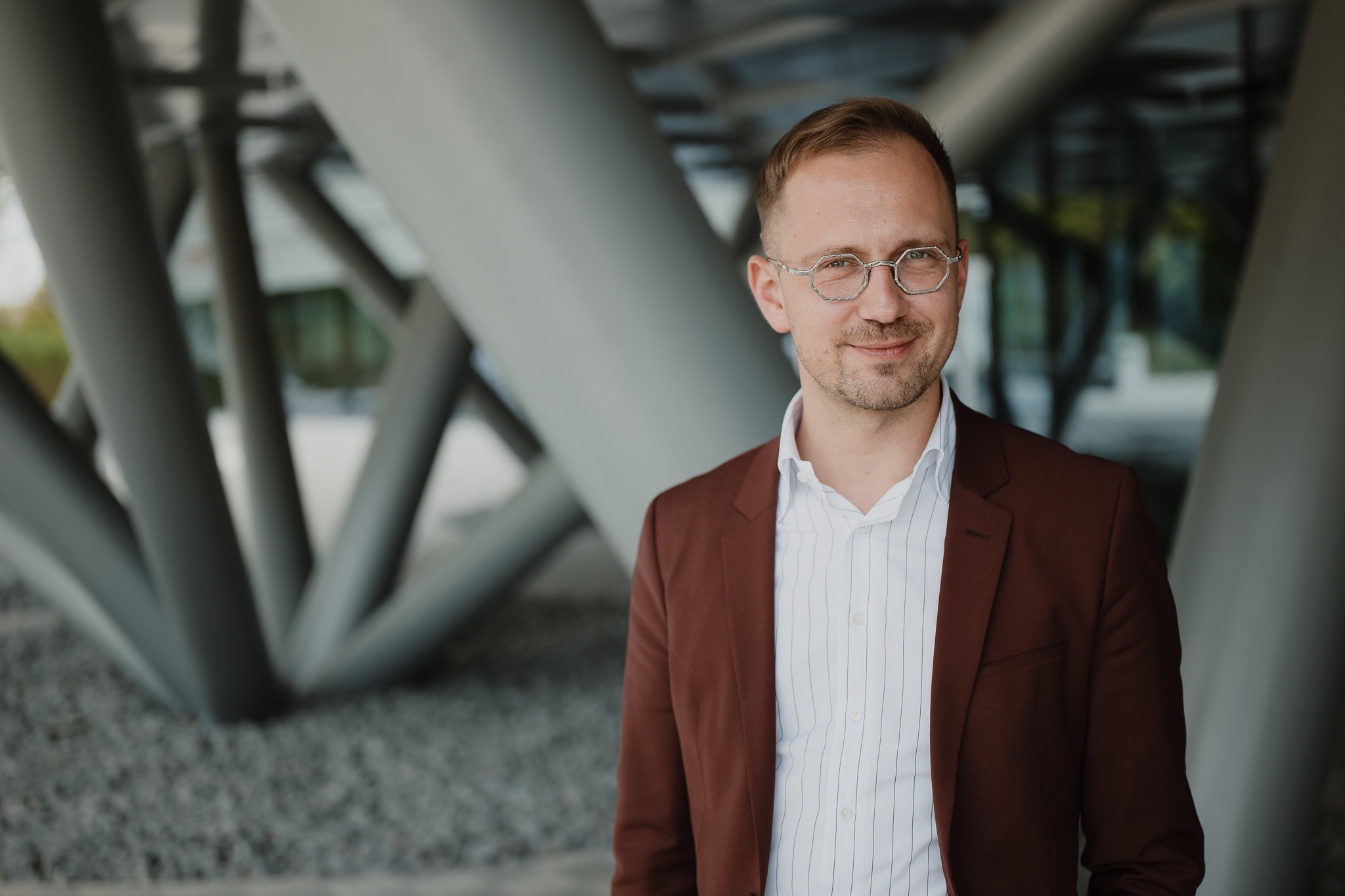 Assoc. Prof. Dr Karolis Ažukaitis, Vice-Dean for Science and Innovation at VU MF / MF archives
According to Dr Andrius Kaselis, Head of Innovation Development at THRI, the vision for THRI could not have been realised without extensive planning, preparation and work: “In just one year, the institute has grown from eight formally approved THRI research groups – previously scattered and operating wherever space was available – to nine research groups that are well established and actively working. They have succeeded in developing effective models for collaboration, project co-authoring, and launching educational initiatives to strengthen the potential of translational science. Their publication output also reflects this strong start: within a single year, THRI researchers, though still relatively few, have already published more than 50 scientific articles.”
This year, a vivarium and several laboratories, including the DNA and RNA Regulation Laboratory, the Population Genomics Laboratory and others, have been successfully put into operation. Previously initiated research has been transferred to the Experimental Surgery and Oncology Laboratory, while new research has been launched making full use of the opportunities and infrastructure provided by the MSC. At the Centre for Applied Neuroscience, an interdisciplinary team is conducting both fundamental and applied research in the field of brain function, with projects exploring mental health and neuromodulation, alongside new international partnerships with academic and clinical institutions. Over the past year, researchers from different fields – the humanities, natural sciences and medicine – have settled in and worked together at the Centre for Human Bioarchaeology and Palaeogenetics. The premises originally intended for the palaeogenomics team were swapped for a more optimal option to avoid contamination, and the wet lab is now fully operational.
The Digital Medicine Centre – a growing team and prospects for developing AI applications
The THRI also houses the Digital Medicine Centre, dedicated to advancing the digital transformation of medicine in Lithuania. According to the director of the centre, Prof. Arvydas Laurinavičius, significant progress has been made this year in building the team, with medical informatics experts and data scientists joining the core digital pathology group. A cooperation agreement between Vilnius University and the State Data Agency has opened up prospects for the development of national-level health phenotype monitoring and artificial intelligence systems. These opportunities have been showcased at international conferences, and the centre has received an invitation to join consortia preparing applications for the Horizon fund.
The Digital Medicine Centre aims to implement artificial intelligence systems across various fields. According to Prof. Laurinavičius, this is a complex undertaking that requires not only the integration of digital data, computing power and algorithms, but also the cooperation and training of professionals from various fields. “Most of our efforts are directed towards consolidating capabilities and networking. We have launched an informal Advanced Microscopy Club, where we discuss innovations from around the world – from Taiwan to Canada – on a monthly basis. In the digital pathology group, we are conducting machine learning experiments with multicolour polarising microscopy data. The Hex4Path (a technological platform for hexagonal grid-based analytics in pathology) project will be implemented under a programme managed by the Research Council of Lithuania. I am delighted that this will allow us to develop our methods, including the “interface zone immunogradient,” for which we have already secured patents in Europe and the US,” the professor said.
A benefit for Lithuania’s scientific community and society – the Biobank of Lithuanian Population and Rare Diseases
The Biobank of Lithuanian Population and Rare Diseases, established by the MSC, has obtained a healthcare institution licence and carries out its activities promoting the reputation of the faculty and the university. During its first year, it organised several sample collection campaigns, inviting well-known public figures to donate blood for scientific research. The first year of operation was intense but productive. Considerable efforts were devoted to raising public awareness of its activities and recognising the importance of the biobank and its role not only in the context of science but also for society and the implementation of personalised medicine.
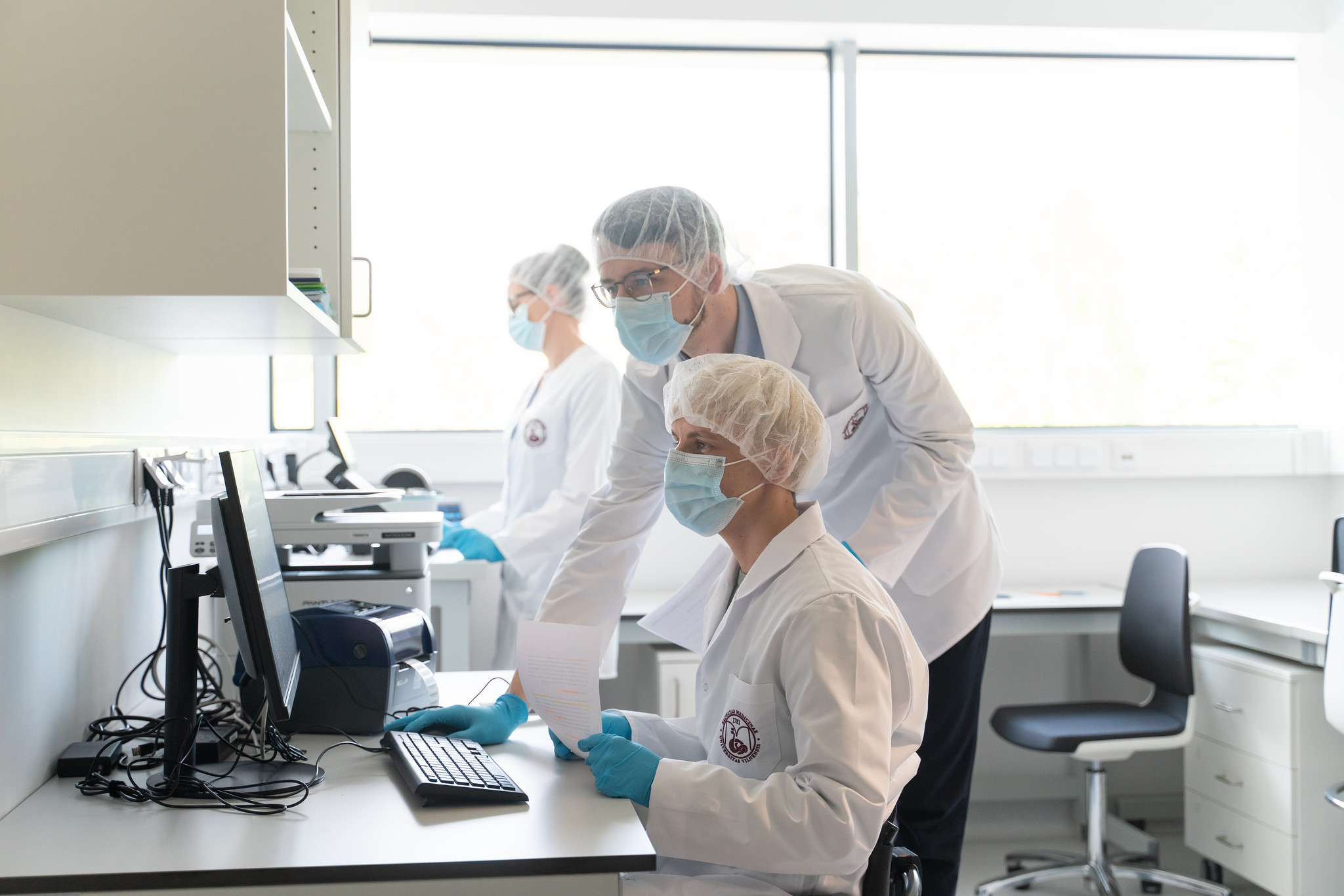 The laboratory at the Biobank of Lithuanian Population and Rare Diseases / MF archive
Since its inception, the biobank has actively collaborated with researchers from the THRI and colleagues from other scientific institutions in Lithuania and abroad: “We develop projects and lay the foundations for consistent, strategically important long-term fields of research to address the most pressing issue of improving the health of the Lithuanian population,” Dr Giedrė Kvedaravičienė, head of the Biobank, said. She further added that creating a population biobank is an extremely sizable and responsible undertaking that requires the close cooperation of specialists from very diverse areas of expertise: “We must solve routine operational challenges, project long-term visions and implement them step by step – gather the necessary resources, knowledge and expertise – bring together like-minded people and partners, to implement and validate processes to ensure that our operational quality meets the best practices of biobanks worldwide.”
New models for management of scientific equipment and a growing team of professionals
The new MSC research infrastructure enables the testing of new scientific equipment management models. The THRI has started implementing a research service group model, which ensures that all researchers have access to research equipment and receive expert support when using it. According to Dr Kaselis, this approach helps scientists carry out their research even if they are not familiar with all technologies by leveraging the existing infrastructure. At the core of this model for management of science and technology cluster infrastructure is a team of researchers who assist scientists or external clients in conducting their research.
It is encouraging that other departments of the faculty have become active at the MSC – lectures and laboratory work are now being conducted intensively by the Department of Physiology, Biochemistry, Microbiology and Laboratory Medicine, and the long-awaited Department of Rehabilitation, Physical and Sports Medicine has also joined the MSC activities. Over the past year, research groups operating at the centre have published the results of numerous studies, participated in and organised international conferences, and a significant number of employees have undertaken internships and qualification training, thereby adding new competences to their centres. “It is symbolic that the first THRI doctoral students will begin their studies on 1 October, whereas postdoctoral interns and students who have completed scientific internships are coming to work on their final theses. The institute has also prepared the first training courses for doctoral students and other researchers,” Prof. Dr Poškus explained.
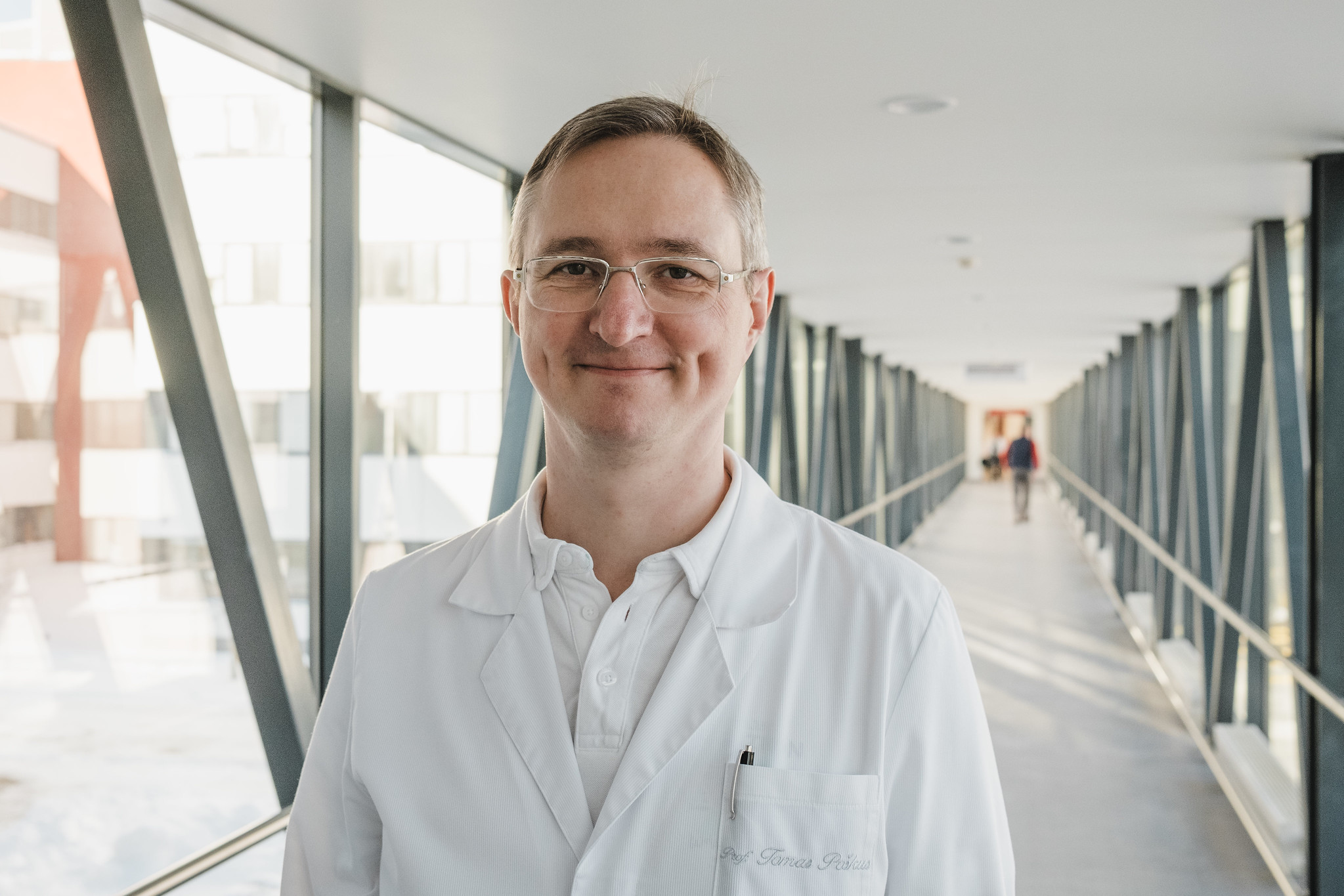 Director of the Translational Health Research Institute at VU MF, Prof. Dr T. Poškus / MF archives
Scientists from leading international institutions were invited to events and visited the MSC, delivering lectures on a variety of topics. The centre has also actively promoted science, organising seminars and events for the wider public to raise the awareness of different fields of medical science in Lithuania and beyond. Nearly all research groups undertook new projects and submitted proposals to Lithuanian and international funding agencies. According to Assoc. Prof. Alina Urnikytė, head of the Population Genomics Laboratory, the achievements of this year reflect the growth, maturity and ability of the scientists working here to collaborate and compete confidently on the international stage.
Technical challenges overcome
The MSC facility is a six-building complex with almost 900 rooms. To ensure the best technical preparation, the installation of some laboratories has taken some time, but the research teams have already successfully started their activities. According to Dr Kaselis, most of the technical challenges have been resolved over the past year. Some processes are time-consuming, so we are still waiting for a canteen at the MSC and temporarily using a self-service outlet. Most of the building’s engineering systems have already been adjusted, the MSC information desk is in operation, and the amphitheatre conference hall is expected to open soon.
There were also technical obstacles that caused the postponement of certain activities. For example, research and protocol testing at the Human Bioarchaeology and Palaeogenetics Centre will start in the near future due to delays in reagent purchases. The VU MF Medical Simulation Centre is likewise undergoing intensive development. The structure of the centre is currently being established, an equipment inventory is being compiled, and important contacts are being established with similar centres in other countries. Recruiting staff and developing training plans and schedules is no small challenge, but it is expected that the first laboratories at the MSC will become fully operational and begin activities within the next year.
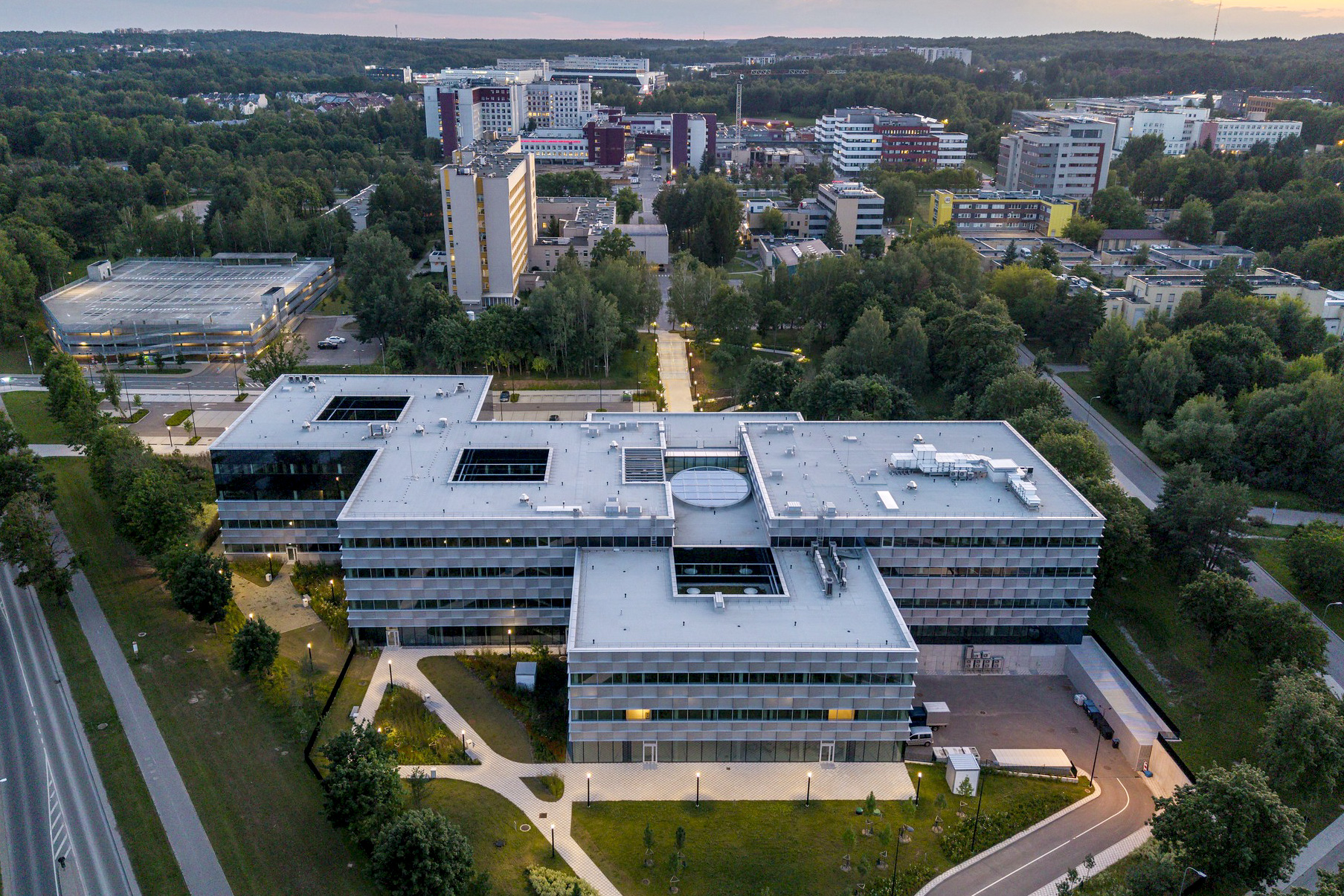 Medical Science Centre / Photo by Ričardas Čerbulėnas.
“We are delighted that a wonderful support team is being built to ensure the high-quality work of our research teams. This guarantees not only the smooth functioning of the building, equipment maintenance, and timely supply of reagents, but also effective process administration, the operation of the animal laboratory, assistance in securing research funding, and, ultimately, a welcoming and science-focused environment,” Prof. Dr Poškus observed.
According to Vytautas Kaneckas, head of the MSC Services and Administration Department, the building’s environment is also important and well cared for: “It is maintained by specialists from the VU Botanical Garden, which is professional and an enormous support. I can see that passers-by clearly enjoy the plants here. I would say that we have one of the most beautiful green spaces in the Santariškės district.” Meanwhile, the growing number of staff and students at the MSC, makes the building even livelier. “The more people working in the building, the more work for our department,” Kaneckas said with a smile, “But that’s what makes it exciting: new people, new experiences. There is both a need and, one might say, a responsibility to move forward. In the future, we hope to become an even greater attraction for everyone interested in pursuing scientific activities.”
Despite technical challenges, the MSC is buzzing with scientific activity, strengthening Lithuania’s medical science potential and continuing to pursue its vision of becoming an international centre for translational and personalised medicine.