

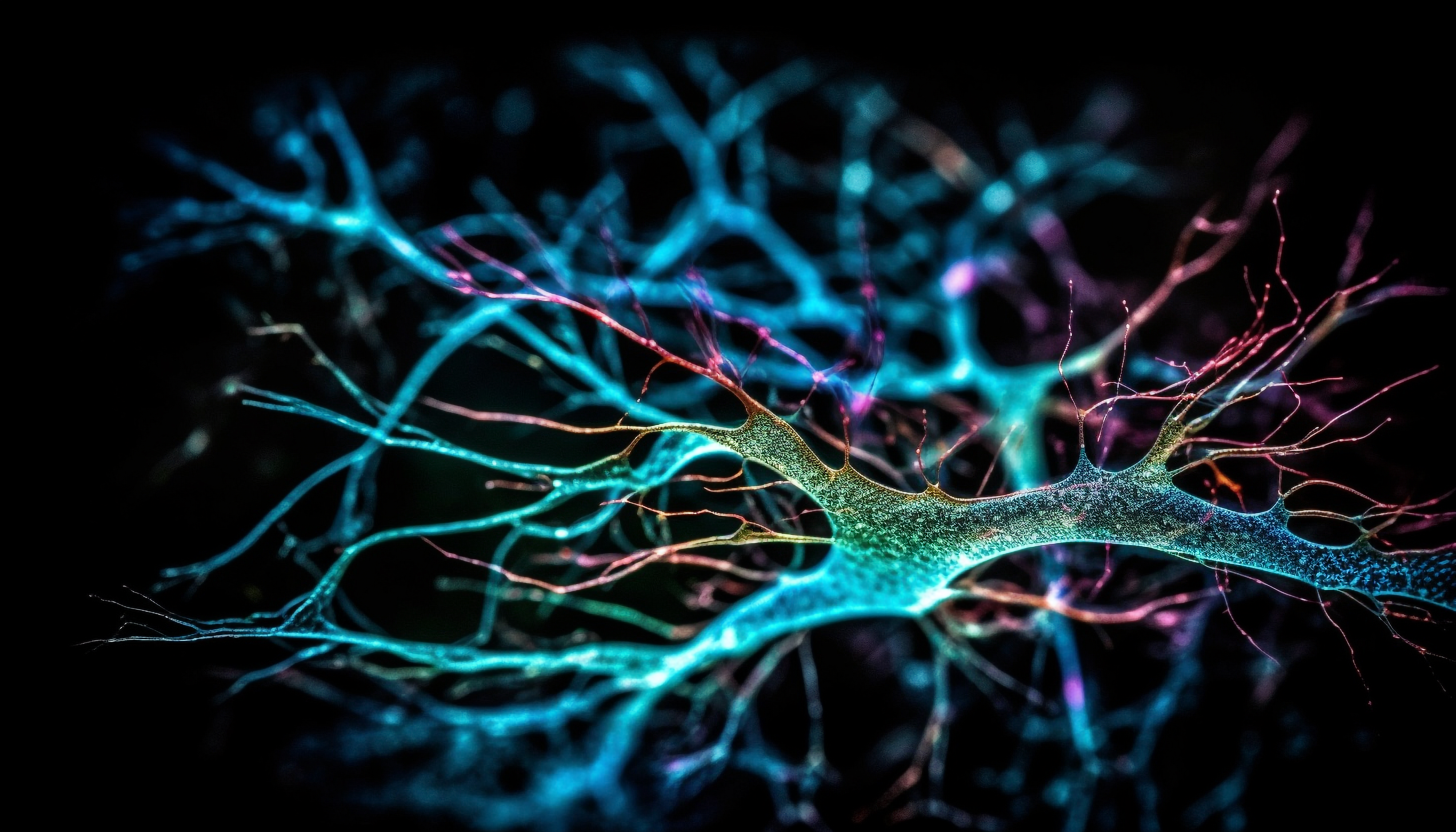
 Associative picture / Freepik
Researchers at the Faculty of Medicine of Vilnius University have, for the first time in Lithuania, developed a cognitive and psychosocial rehabilitation programme for people living with epilepsy. The study findings demonstrate that a two-month psychological counselling programme improved the quality of life for more than half of the participants and reduced symptoms of anxiety.
Up to 28,000 people in Lithuania are affected by epilepsy; however, treatment is typically focused on seizure control. Meanwhile, a significant proportion of patients experience anxiety, depression, and impairments in memory and attention, which substantially affect their daily lives, ability to work, and social relationships.
 A two-month psychological counselling programme have been dedicated for people living with epilepsy / Associative photo, Freepik
„Although cognitive rehabilitation services are already available in many European countries, they have not previously been implemented in Lithuania. Our study shows that such programmes are not only necessary but also effective,“ says Prof. Dr Rūta Mameniškienė, neurologist at the Faculty of Medicine, Vilnius University.
During the study, one group of patients participated in the psychological counselling programme, while another received standard care. The results revealed that participants in the programme experienced a significant improvement in well-being, with positive effects persisting for several months after completion. Signs of improvement in long-term memory were also observed.
According to the researchers, these findings indicate that epilepsy care in Lithuania should extend beyond seizure control alone.
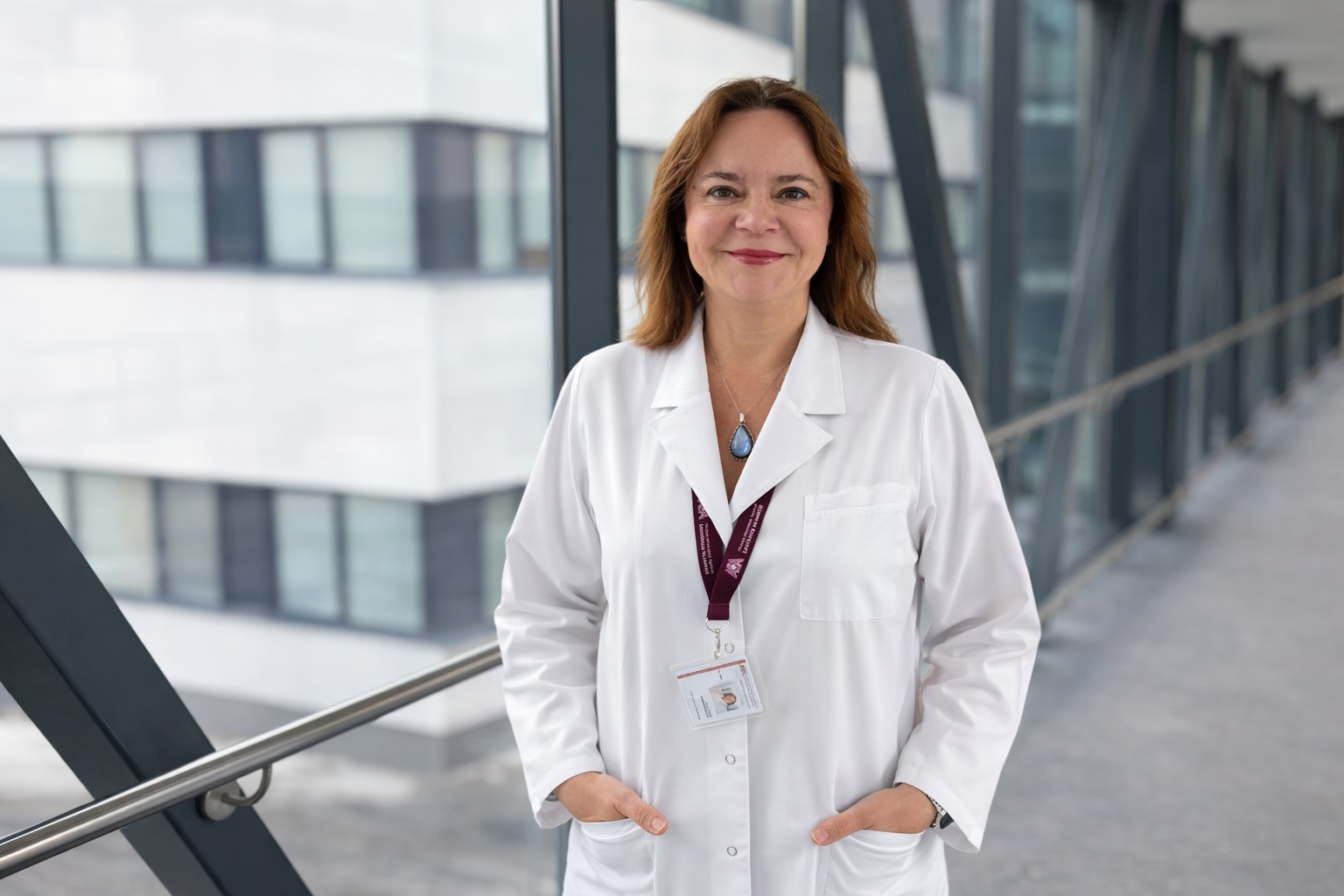 Prof. Dr Rūta Mameniškienė, neurologist at the Faculty of Medicine, Vilnius University / VU Hospital Santaros Klinikos photo
„To improve patients’ quality of life, greater attention must be paid to psychological and cognitive difficulties, as well as to reducing the stigma associated with the condition,“ Prof. Dr R. Mameniškienė emphasises.
It is hoped that such rehabilitation programmes will become an integral part of epilepsy care in Lithuania in the future.
The project „Rehabilitation of Cognition and Psychosocial Well-being – A Better Life with Epilepsy“, implemented at Vilnius University, was funded by the Research Council of Lithuania (project No. P-MIP-23-333).