

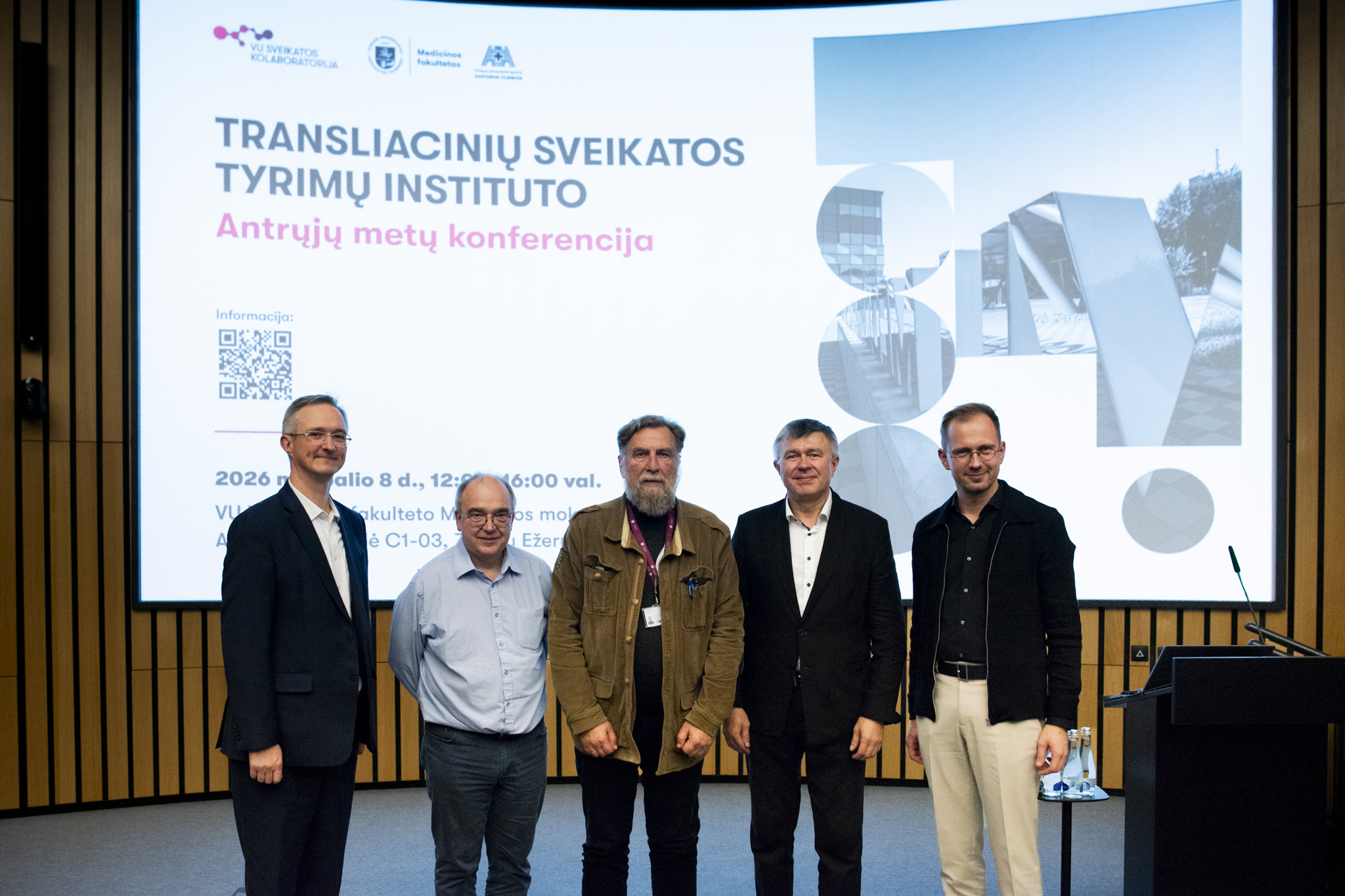
 Participants of the event / MF archive
On 8 October 2026, the Translational Health Research Institute (THRI) held its second-anniversary conference at the Medical Science Centre of the Faculty of Medicine, Vilnius University (VU). The event reviewed the Institute’s research achievements, presented new research directions pursued by its scientists, and explored opportunities for international collaboration and future development.
The conference brought together members of the Institute’s community and invited researchers from abroad. Welcoming the participants, Prof. Dr Dalius Jatužis, Dean of the VU Faculty of Medicine, noted that translational science is inherently international and that the opportunity to meet and exchange ideas in one place is particularly valuable for those working in this field.
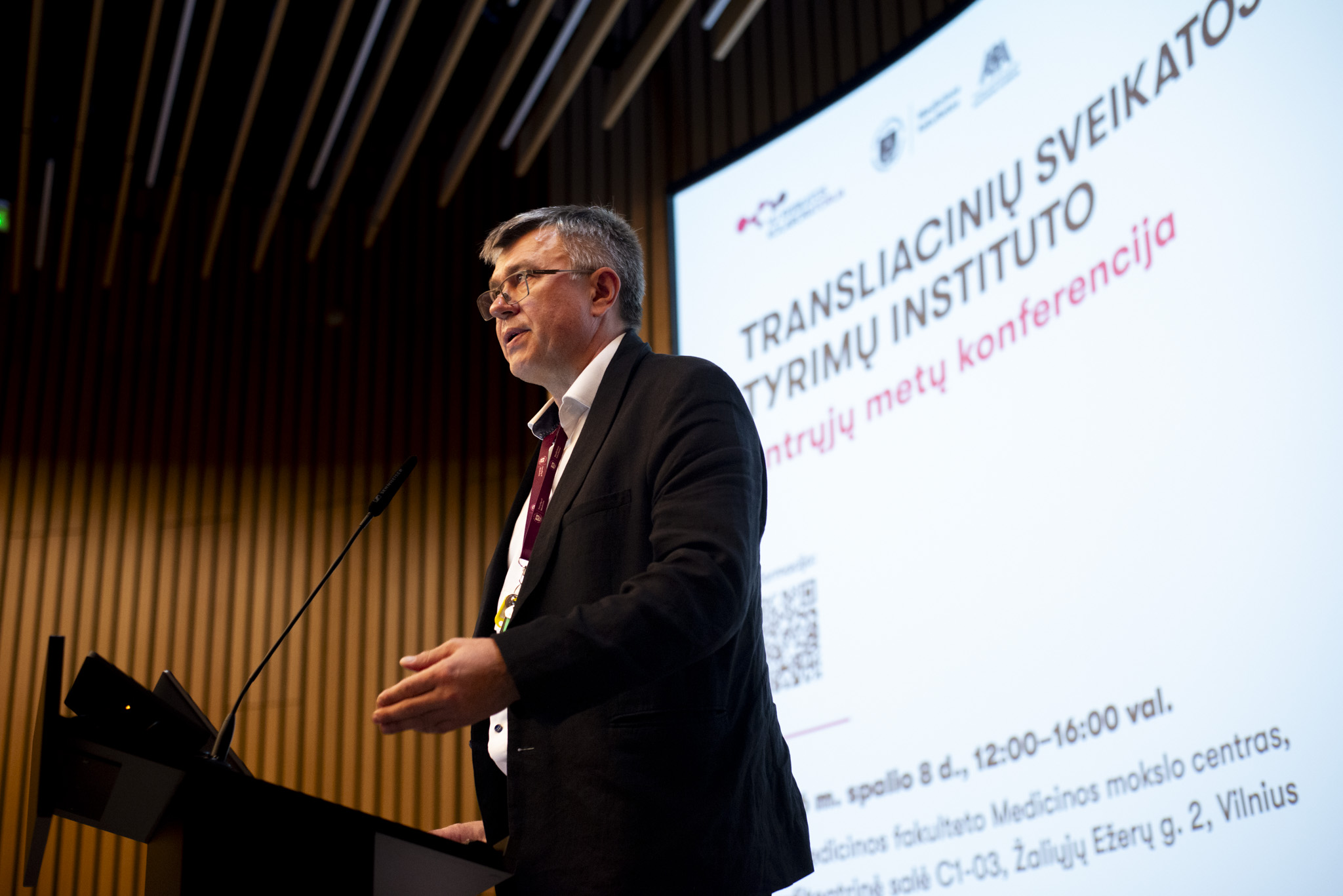 Prof. Dr Dalius Jatužis / MF archive
“The Medical Science Centre, which houses THRI, has become home to many researchers in just two years. Teams, research groups and centres are taking shape here. This is precisely what an institute like ours needs: new people, new questions, new ideas and new answers. The conference programme reflects this, offering us the opportunity to explore a wide range of topics in a single afternoon, from research into medieval pandemics to the latest challenges in analysing cardiac arrhythmias,” he said.
Assoc. Prof. Dr Karolis Ažukaitis, Vice-Dean for Science and Innovation at the VU Faculty of Medicine, emphasised that the most important component of the Institute and the organisational units within it is a culture of communication and interaction among researchers. “The establishment of the Medical Science Centre was one of the most significant events in the history of the VU Faculty of Medicine. However, an excellent building and the infrastructure it provides do not generate science on their own. Science is created by people.”
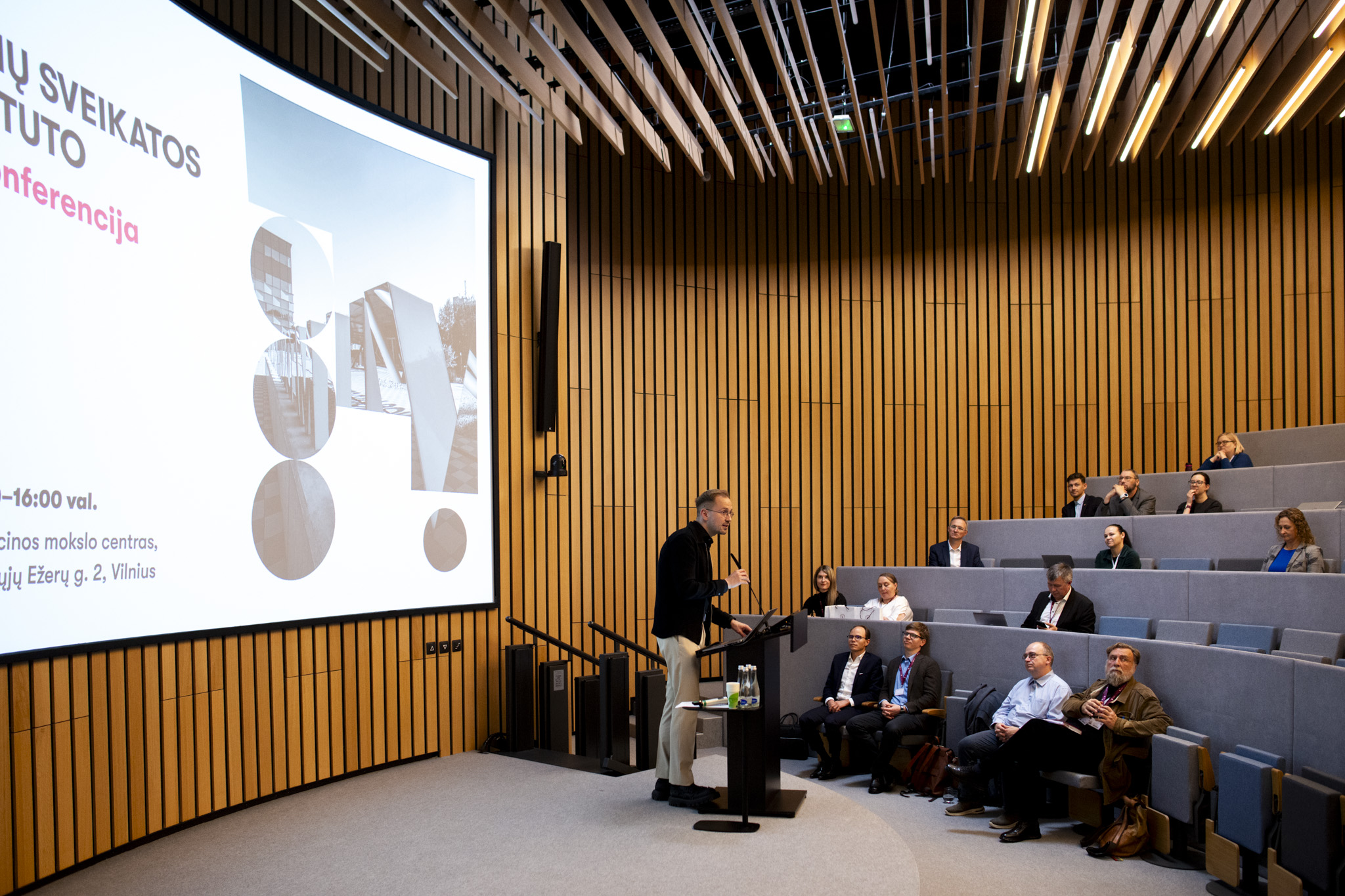 Assoc. Prof. Dr Karolis Ažukaitis / MF archive
According to him, the vision for THRI was clear from the outset: to bring together passionate and empathetic researchers committed to producing high-quality, meaningful science. However, it was not initially clear how to measure the Institute’s success. “The Institute is only two years old, so, as a paediatrician, I would assess its progress accordingly. We cannot yet determine how successful it will be when it grows up, but this stage is undoubtedly critical to its development.”
He suggested that success should be measured on an individual level by asking whether the work one does is personally meaningful. “I can see that our culture is changing and becoming more focused on collaboration and sharing ideas. I hope this will remain one of the key principles guiding us forward,” the Vice-Dean said.
Donatas Staniulis, Executive Director of the VU Vilnius–Utrecht Centre for Advanced Disease Modelling, presented the Centre’s collaboration with Utrecht University and its University Medical Centre, as well as the integration of five research groups into its activities. The aim is to bring together applied research, advanced biomedical technologies, clinical expertise and disease-modelling capabilities in one place, creating a dedicated ecosystem for the development and application of advanced human disease models.
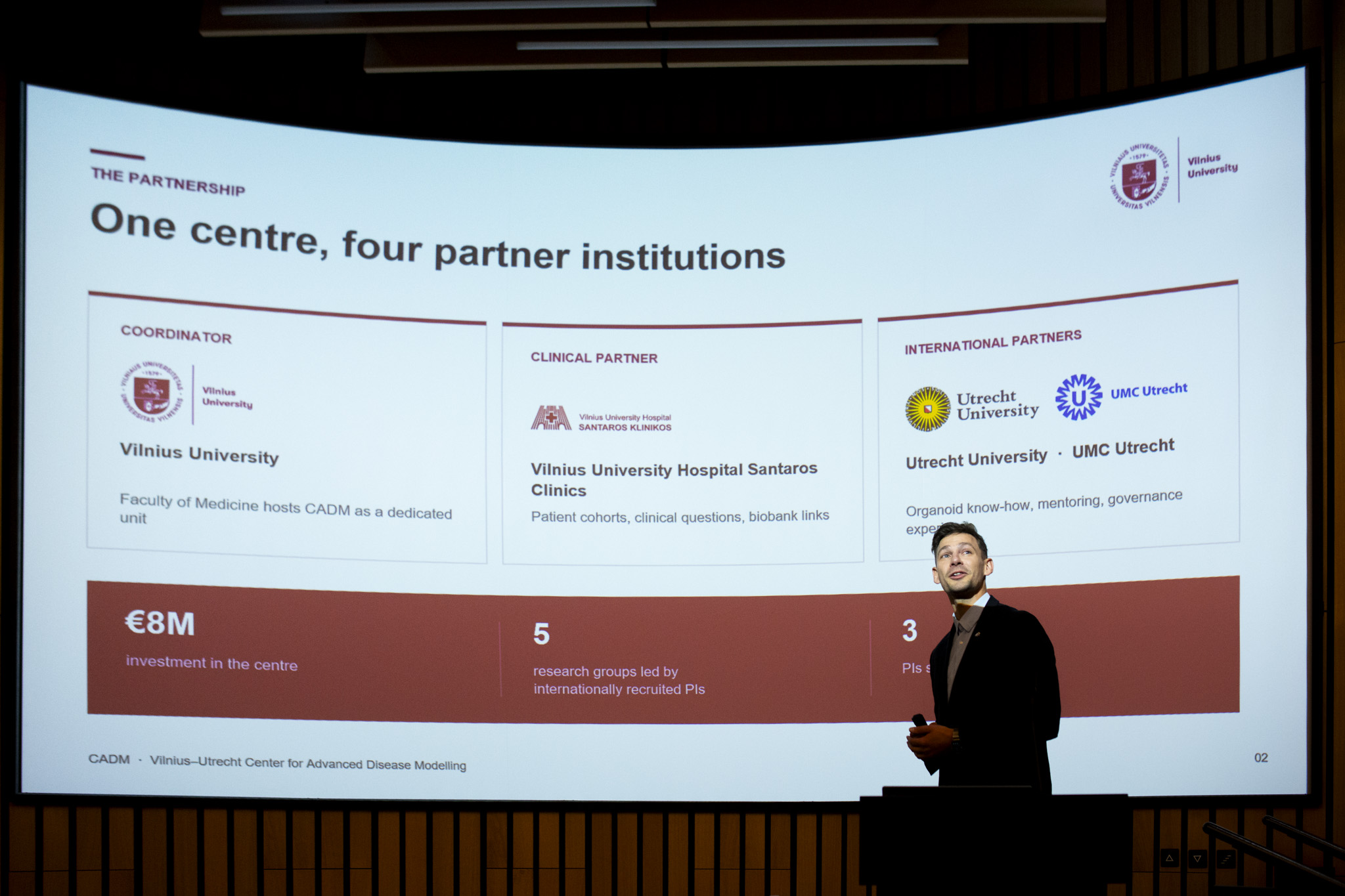 Donatas Staniulis / MF archive
Exploring the Potential of Palaeogenetics: Insights from International Research Projects
The conference featured a presentation by invited speaker Prof. Toomas Kivisild from KU Leuven, who discussed projects investigating the effects of medieval migrations and plague pandemics on phenotypic diversity and disease susceptibility among populations in Northern Europe.
According to Prof. Kivisild, palaeogenetics offers an entirely new perspective on historical processes, providing a different understanding of past pandemics and their consequences. It enables researchers to identify and refine information about the specific pathogens responsible for pandemics and to establish more accurate timelines of their spread.
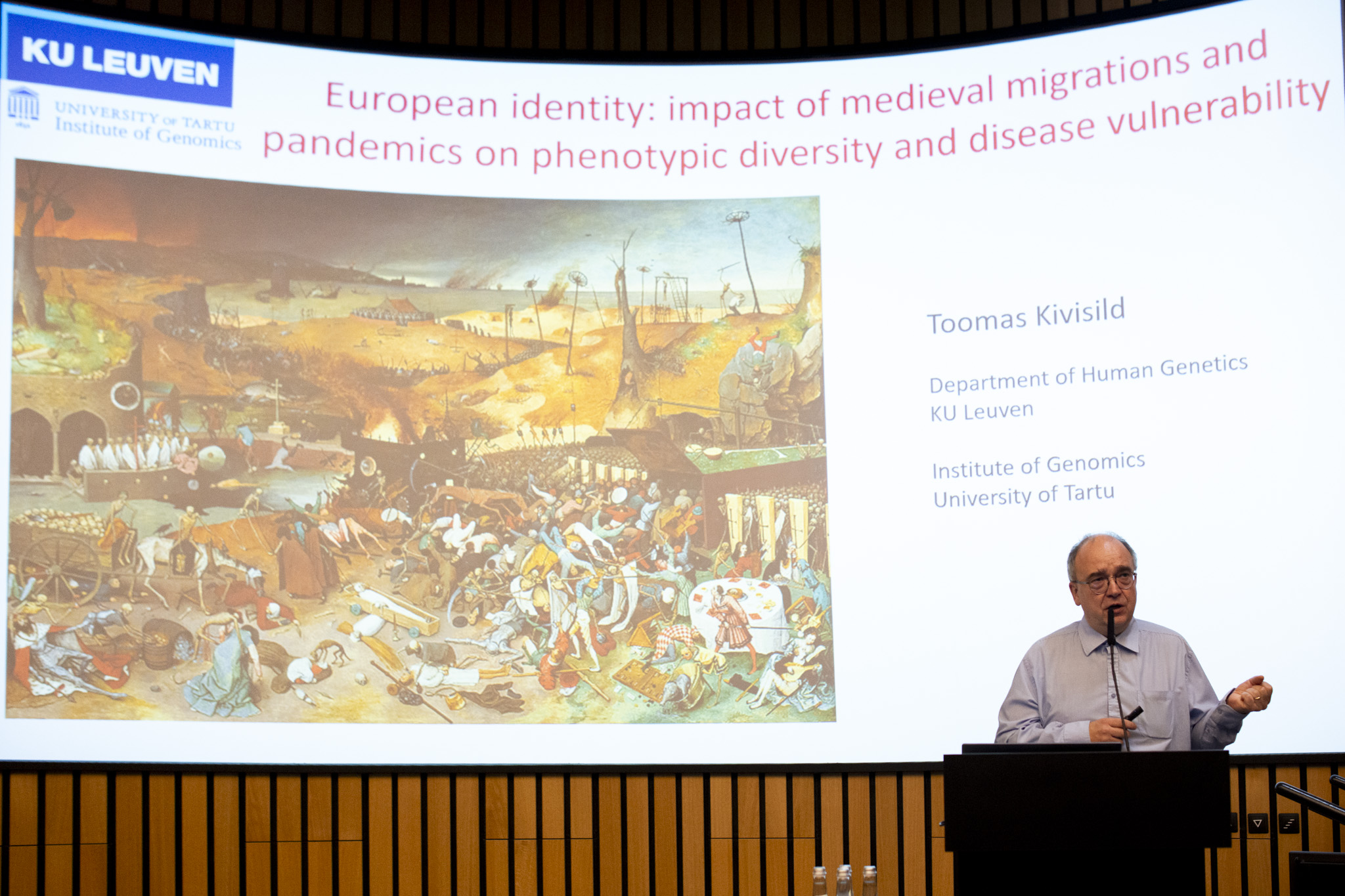 Prof. Toomas Kivisild / MF archive
Prof. Kivisild explained that people who died during plague outbreaks were not necessarily buried in mass graves, which could otherwise be interpreted as an indicator of the severity of a pandemic. Conversely, not everyone whose remains were found in mass graves had died of the plague. Consequently, the actual number of pandemic victims may have differed from previous estimates.
He also highlighted how migration patterns changed in some regions following pandemics, with cosmopolitan cities becoming more provincial. The substantial loss of life also reduced the size of the populations from which subsequent generations inherited genetic variants, resulting in lower genetic diversity.
Nevertheless, Prof. Kivisild noted that there is no reliable evidence that the plague caused widespread selection across the entire immunogenome. Some signs of natural selection associated with susceptibility to the plague bacterium can be identified, but only over long periods spanning millennia.
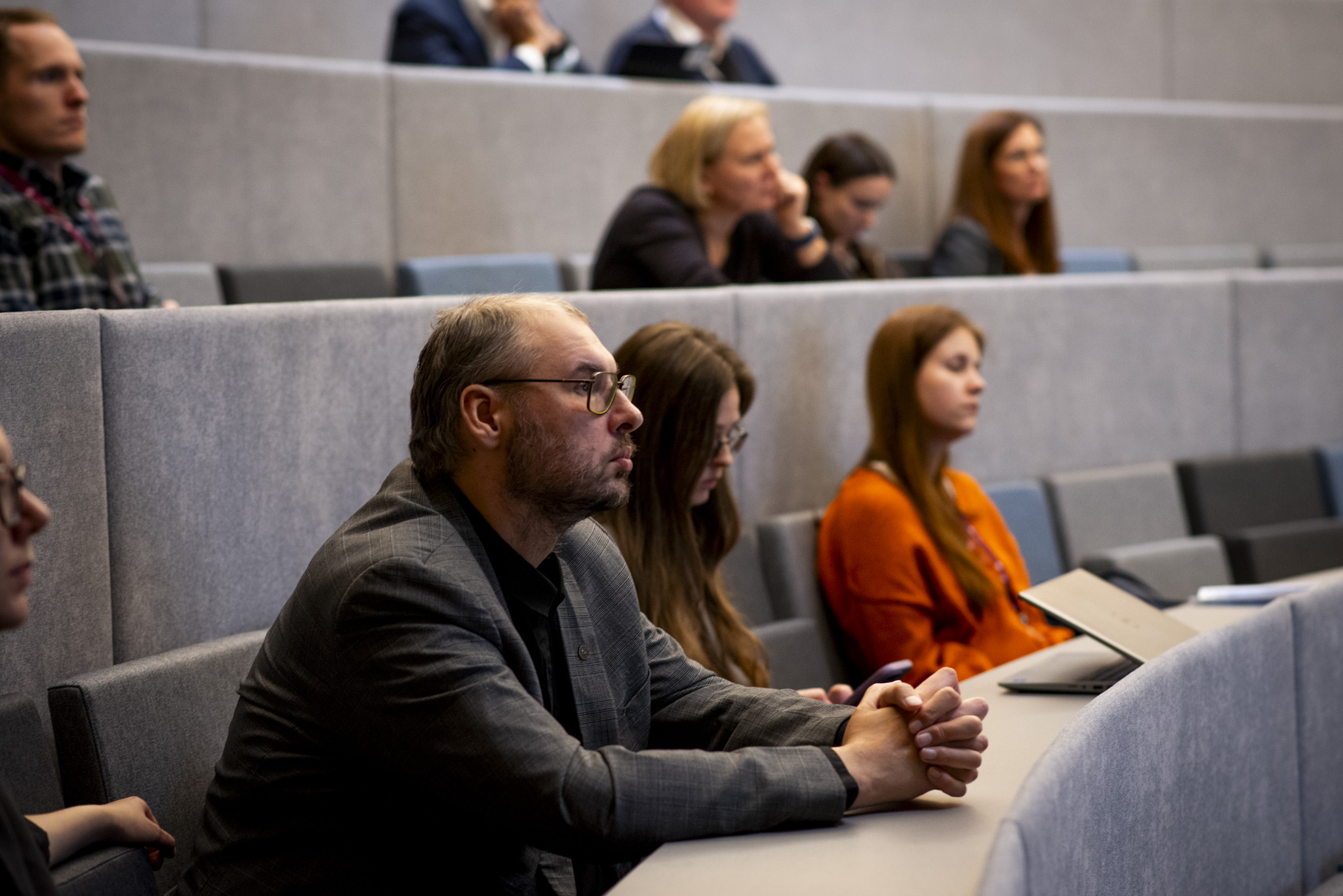 Moment of the event / MF archive
“Human populations do not correspond to language groups, and language groups do not correspond to material culture,” the professor said, summarising the emerging approach to understanding historical processes.
Whereas researchers once assumed that the objects used or languages spoken by ancient people could be used to classify them into distinct cultures, genetic studies reveal that Europe has always been characterised by greater human diversity, with the boundaries of this diversity not necessarily corresponding to traditional cultural boundaries.
The presentation also examined consanguinity in ancient Europe. The findings suggest that people regulated close kinship relationships themselves even before the Church introduced restrictions on marriage during the Middle Ages. The significant influence of early medieval migrations on the development of certain phenotypes was also highlighted.
Cardiovascular Disease Diagnostics: One of THRI’s Research Priorities
Conference guest Dr Julius Obergassel, from the University Heart and Vascular Centre Hamburg, based at the University Medical Centre Hamburg-Eppendorf, discussed the importance of atrial fibrillation burden in assessing disease progression and treatment efficacy. This measure indicates the proportion of the monitoring period during which a patient experiences the arrhythmia, complementing the conventional binary assessment of whether atrial fibrillation is present or absent.
The speaker discussed key clinical trials, including EAST-AFNET 4 (Early Treatment of Atrial Fibrillation for Stroke Prevention Trial) and its subsequent analyses, which demonstrated the benefits of early rhythm control and an association between lower atrial fibrillation burden and more favourable long-term clinical outcomes. He also reviewed the CASTLE-HTx trial, which showed that catheter ablation of atrial fibrillation may improve survival in selected patients with severe heart failure. These findings highlight the importance of timely assessment of the impact of arrhythmia on the deterioration of cardiac function and consideration of rhythm restoration strategies.
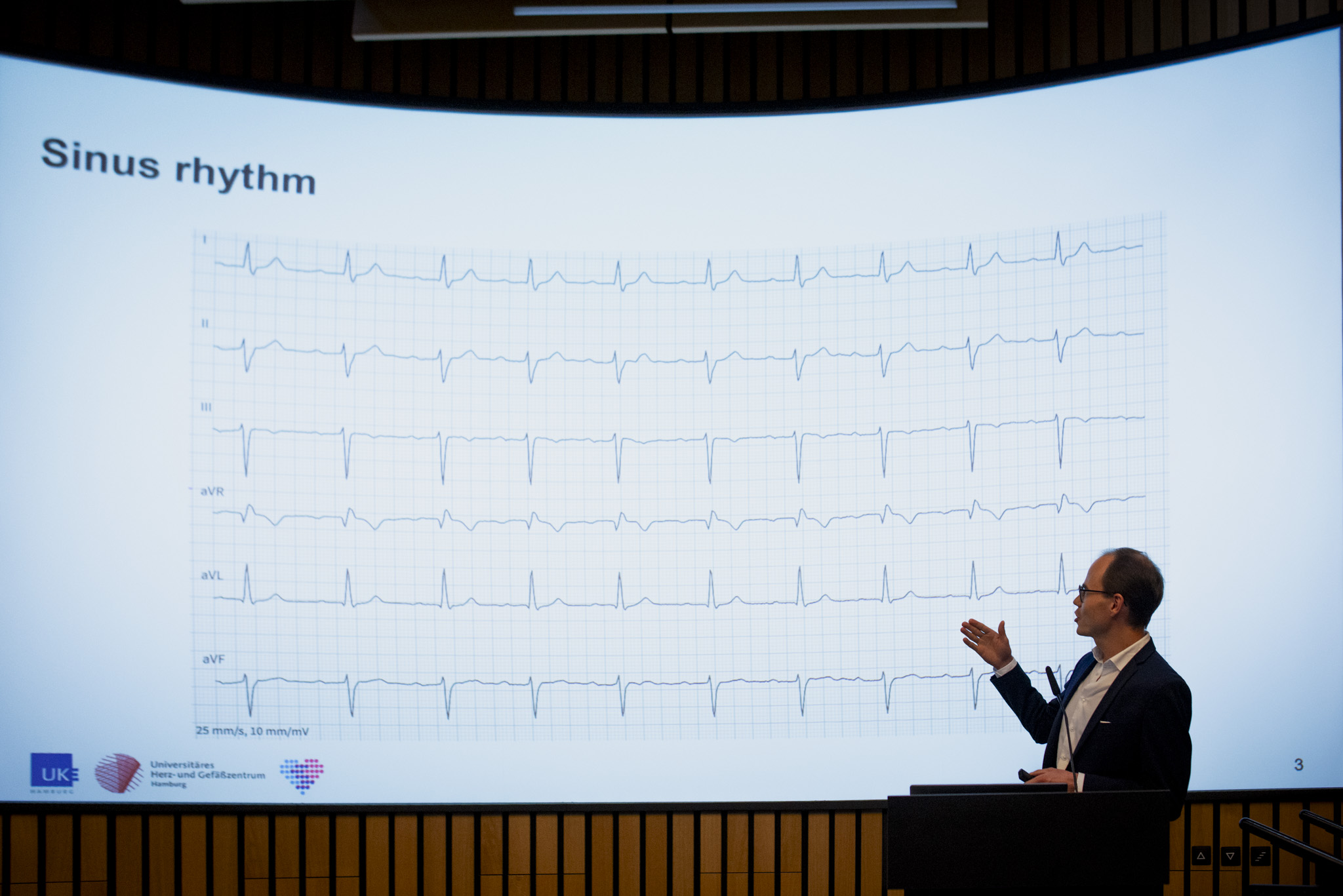 Dr Julius Obergassel / MF archive
Dr Obergassel also presented the international AF-B-STEP project, which aims to improve understanding of the clinical significance of atrial fibrillation burden.
According to Dr Obergassel, wrist-worn wearable devices offer new opportunities for long-term heart rhythm monitoring. For the data they collect to support the assessment of treatment efficacy and inform clinical decision-making, validated algorithms, integration of data into healthcare systems and clearly defined patient management pathways are essential.
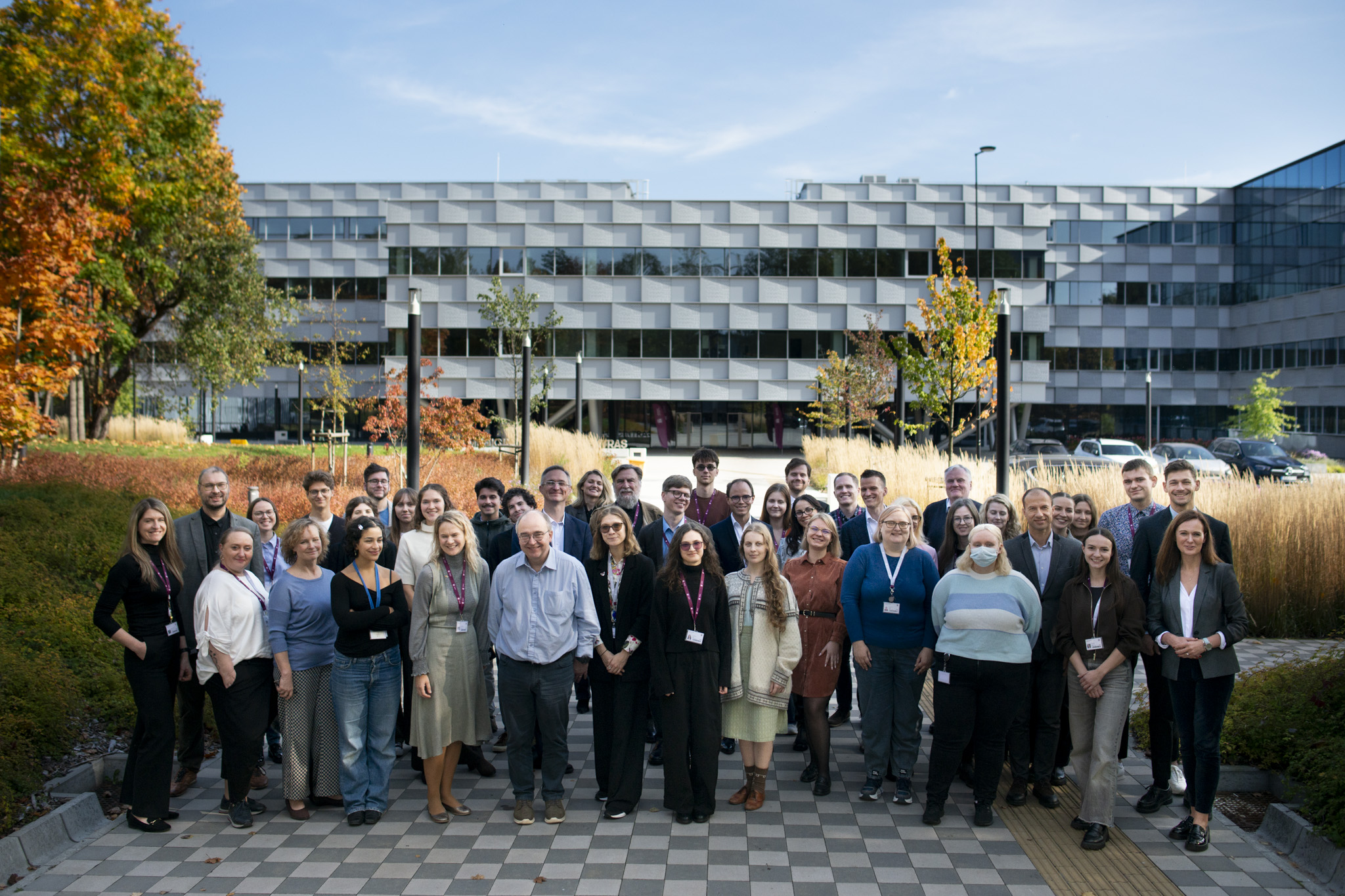 Participants of the event / MF archive
The topic was further explored by Dr Justinas Bacevičius, Head of the THRI's Centre for Health Technologies and Remote Monitoring, who presented his team’s preliminary findings from the use of the TeltoHeart device for long-term heart rhythm monitoring. The wrist-worn device supports the investigation of patients experiencing palpitations, a rapid or slow heartbeat, skipped beats or episodes of altered consciousness for which the underlying cause cannot be identified through conventional investigations.
In the initial study cohort, the team recorded seven distinct types of heart rhythm. Monitoring was carried out for at least six weeks, and clinically significant arrhythmias were detected after an average of approximately 14 days. The study helped assess the relationship between patients’ symptoms and their heart rhythm, and participants are informed of the findings identified during monitoring.
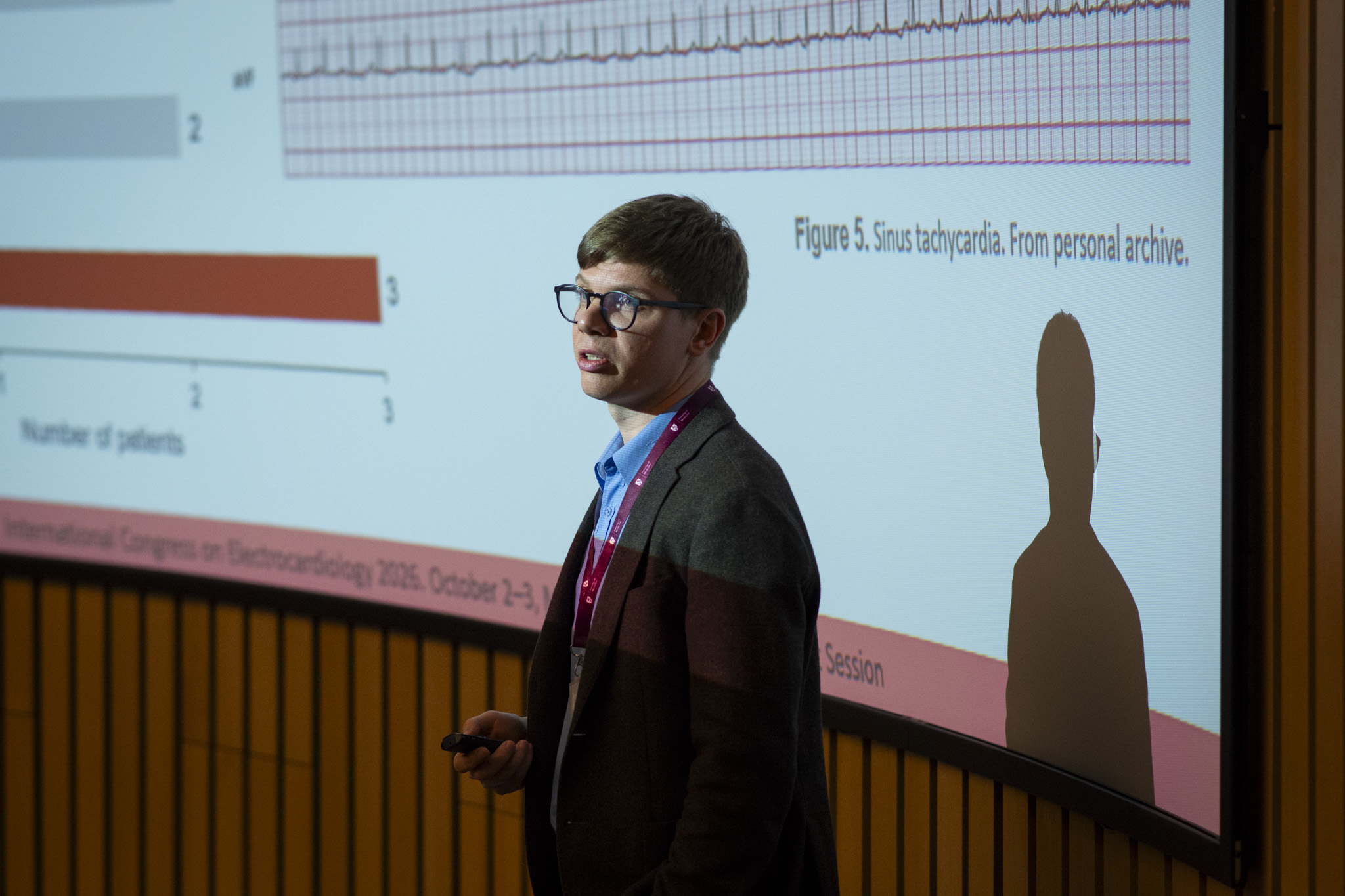 Dr Justinas Bacevičius / MF archive
Dr Bacevičius emphasised that this approach complements Holter monitoring and substantially expands the scope for detecting cardiac arrhythmias, particularly when episodes occur infrequently or intermittently. Longer monitoring periods and the ability to record an electrocardiogram during symptoms help capture episodes that may not occur during a shorter monitoring period.
An Environment Where Interdisciplinary Collaboration and Studies Reinforce One Another
During the conference, Ieva Pranka, Executive Director of the Baltic-German University Liaison Office, presented funding opportunities available to Lithuanian researchers collaborating with German scientists or research institutions. The funding can support researcher-initiated projects, scientific events and public engagement activities.
According to Ms Pranka, eight Vilnius University projects had already benefited from this opportunity in 2026.
Prof. Dr Tomas Poškus, Director of THRI, stated that the Institute’s activities are founded on internationally competitive, multidisciplinary research closely connected with studies, innovation and practical healthcare needs.
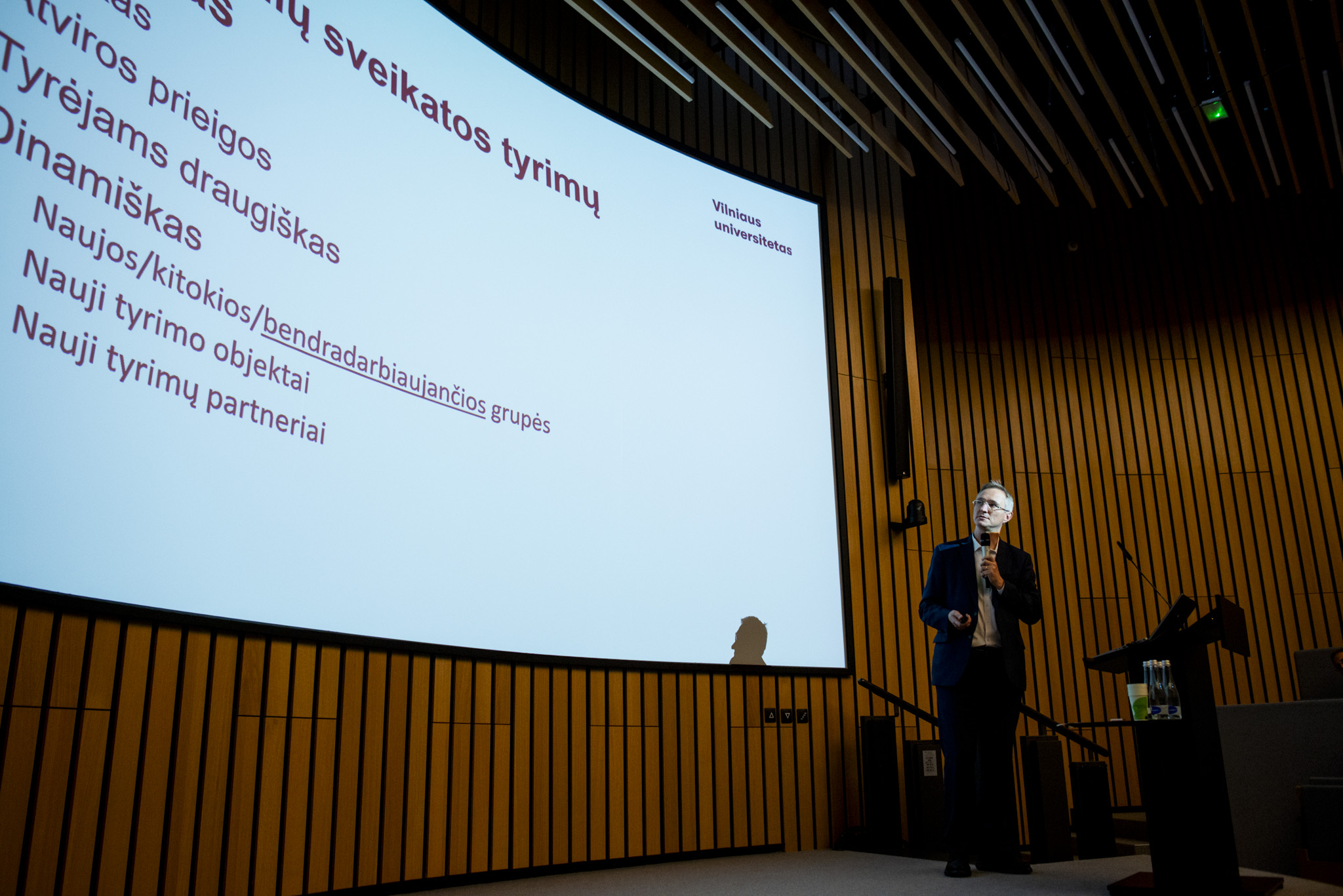 Prof. Dr Tomas Poškus, Director of THRI / MF archive
“Our goal is to create an environment in which high-quality research, interdisciplinary collaboration and studies reinforce one another, and scientific knowledge can be translated into practical solutions that make a meaningful difference to patients and society,” he said.
According to the professor, the quality and outcomes of research are important, but so is the environment in which it takes place. THRI aims to be an ethical, open-access and researcher-friendly institute that promotes dynamic collaboration, brings together new research groups, explores new research questions and develops partnerships.
“We want the Institute to be a place where researchers can collaborate freely, test new ideas and build teams that combine expertise from different disciplines. This is precisely the kind of environment that enables new research directions to emerge and creates the conditions for scientific discoveries to be translated into practical applications,” Prof. Poškus said.
 Moment of the event / MF archive
Presentations were also delivered by the leaders of four projects funded under the My First Research Team programme. Dr Bacevičius presented the project “Clinical Application of a New Wrist-Worn Smart Device for Remote Monitoring and Early Diagnosis of Cardiac Arrhythmias”, and Assoc. Prof. Dr Augustinas Baušys discussed the project “Investigating the Gut–Surgical Infection Axis: The Role of Gastrointestinal Microbiota in the Pathogenesis of Postoperative Infections”.
Assoc. Prof. Dr Rytis Masiliūnas presented his team’s project, “Developing Learning Health Systems for Stroke Care in Lithuania”, while Dr Audrys Pauža introduced the project “Lipid Exposure in Obesity-Associated Adipose Tissue Neuropathy”.
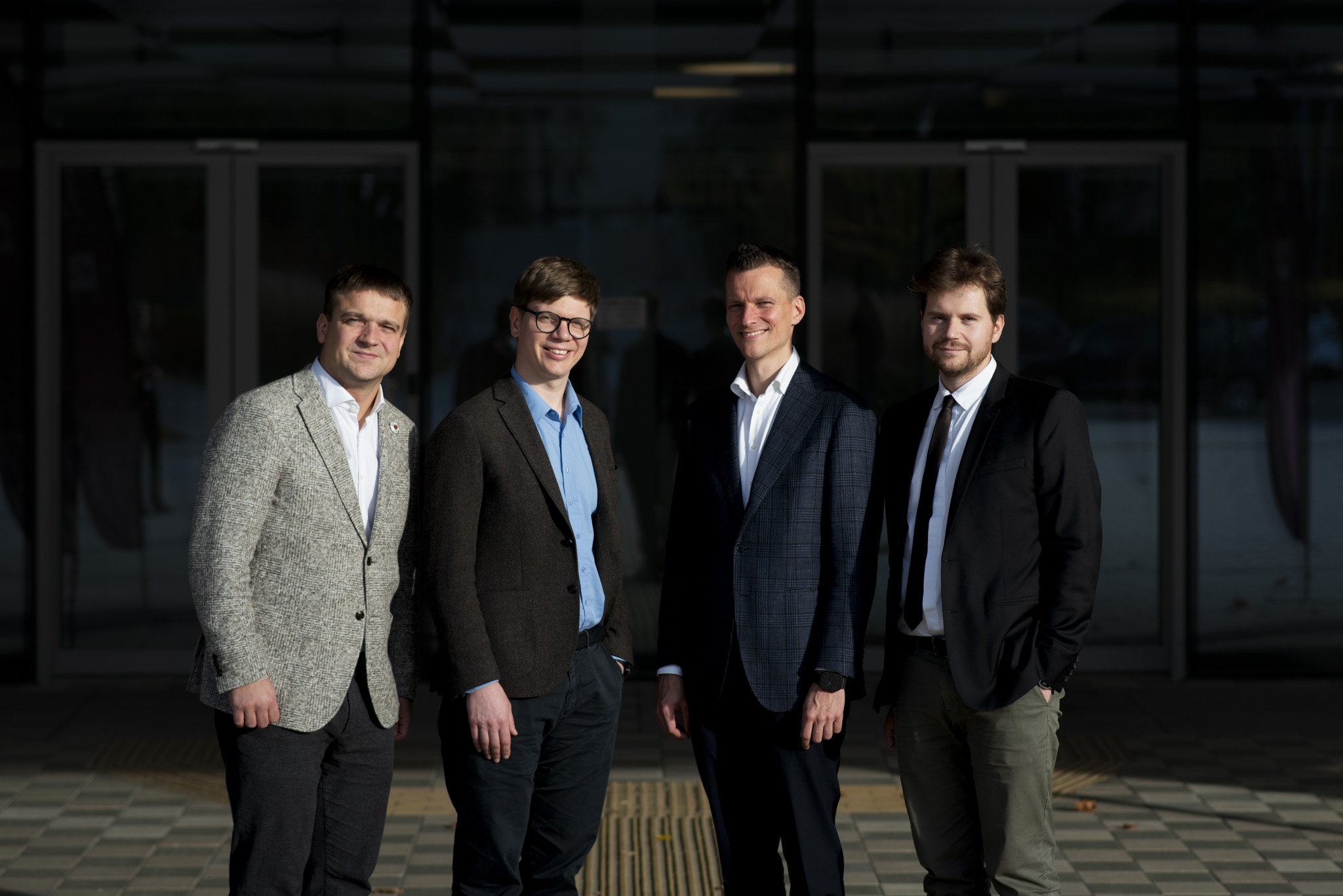 The leaders of projects funded under the My First Research Team programme (from the left): Assoc. Prof. Dr Augustinas Baušys, Dr Justinas Bacevičius, Assoc. Prof. Dr Rytis Masiliūnas and Dr Audrys Pauža / MF archive
A Growing Research and Innovation Ecosystem
The review of the Institute’s achievements over the previous year highlighted the growing portfolio of competitively funded projects. A total of 85 project applications had been submitted, of which 20 had already secured funding.
The Institute also celebrated its growing body of published research, its first patent applications and the initial results achieved in translational research.
The Institute’s community has expanded to include new researchers, master's students and doctoral students. Research activities are strengthened by regular seminars and schools, international collaboration and participation in international consortia.
Another important achievement has been the full operation of shared infrastructure units, including the biobank, imaging facilities and bioinformatics services. These resources enable researchers from different disciplines to access shared infrastructure and expertise.
During the conference, THRI doctoral students also presented their research.
Indrė Krastinaitė discussed the genetic analysis of human remains from the crypts of the Evangelical Reformed Church in Kėdainiai, dating from the seventeenth and eighteenth centuries, and the reconstruction of the health of the individuals studied. Her presentation covered individual identification and highlighted the importance of research into biological relationships, population genetics and health reconstruction. She also spoke positively about the opportunities THRI provides to learn laboratory and bioinformatics methods for ancient DNA analysis.
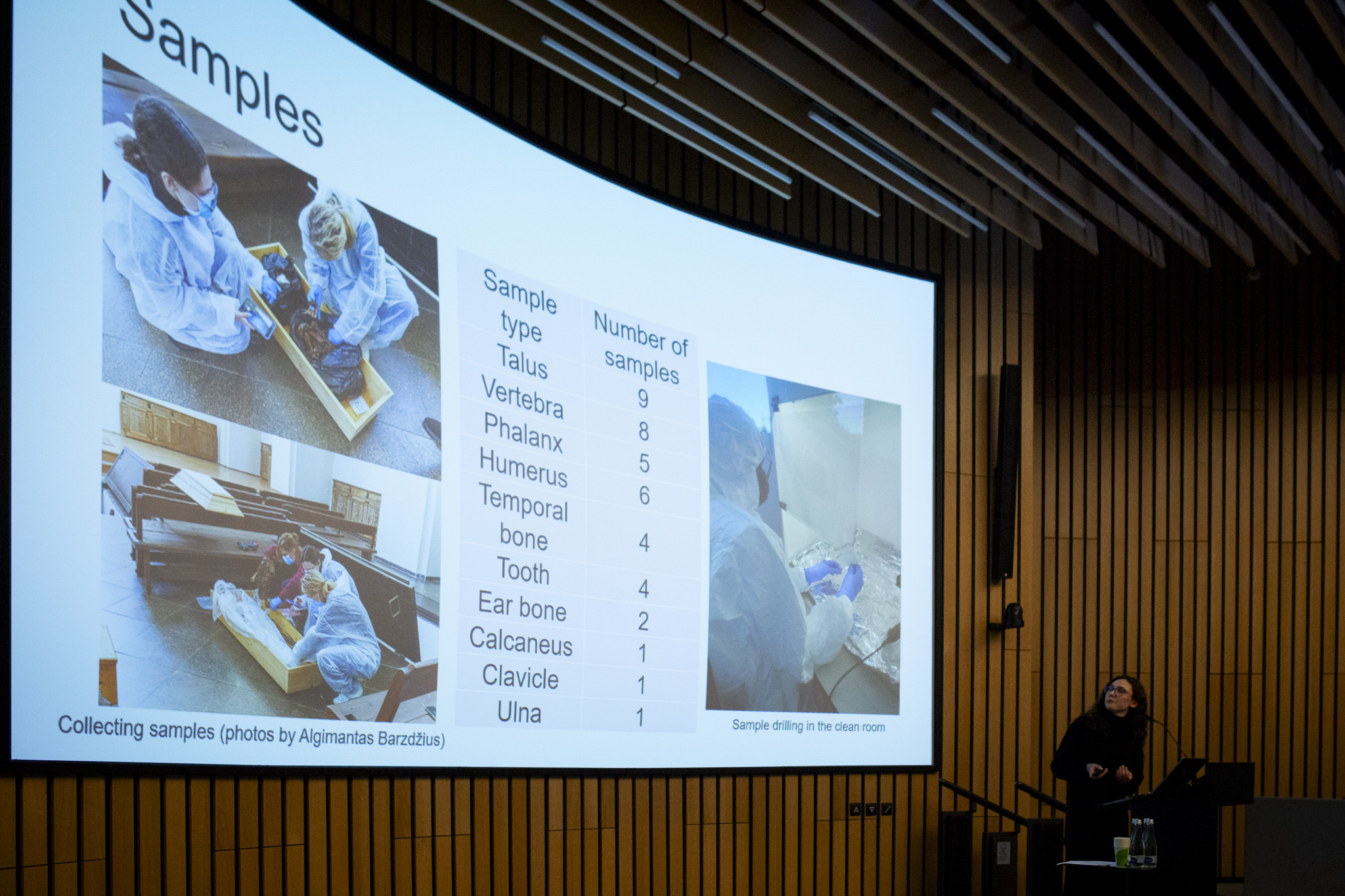 Indrė Krastinaitė / MF archive
Doctoral student Kornelija Rauduvytė Jimenez presented research into the pathogenesis of postoperative infections following gastrointestinal cancer surgery. Her findings showed that bacteria entering a surgical wound during an operation are not always associated with a subsequent surgical-site infection. Infections can also develop in cases where no bacteria were detected in the wound during surgery.
In some cases, the bacteria responsible for postoperative infections were found to match microorganisms detected in the patient's gastrointestinal tract before surgery. These findings suggest that the origins of postoperative infections may be more complex than can be explained by the direct introduction of bacteria into a surgical wound alone. The patient's own microbiome may also play a role in their development.
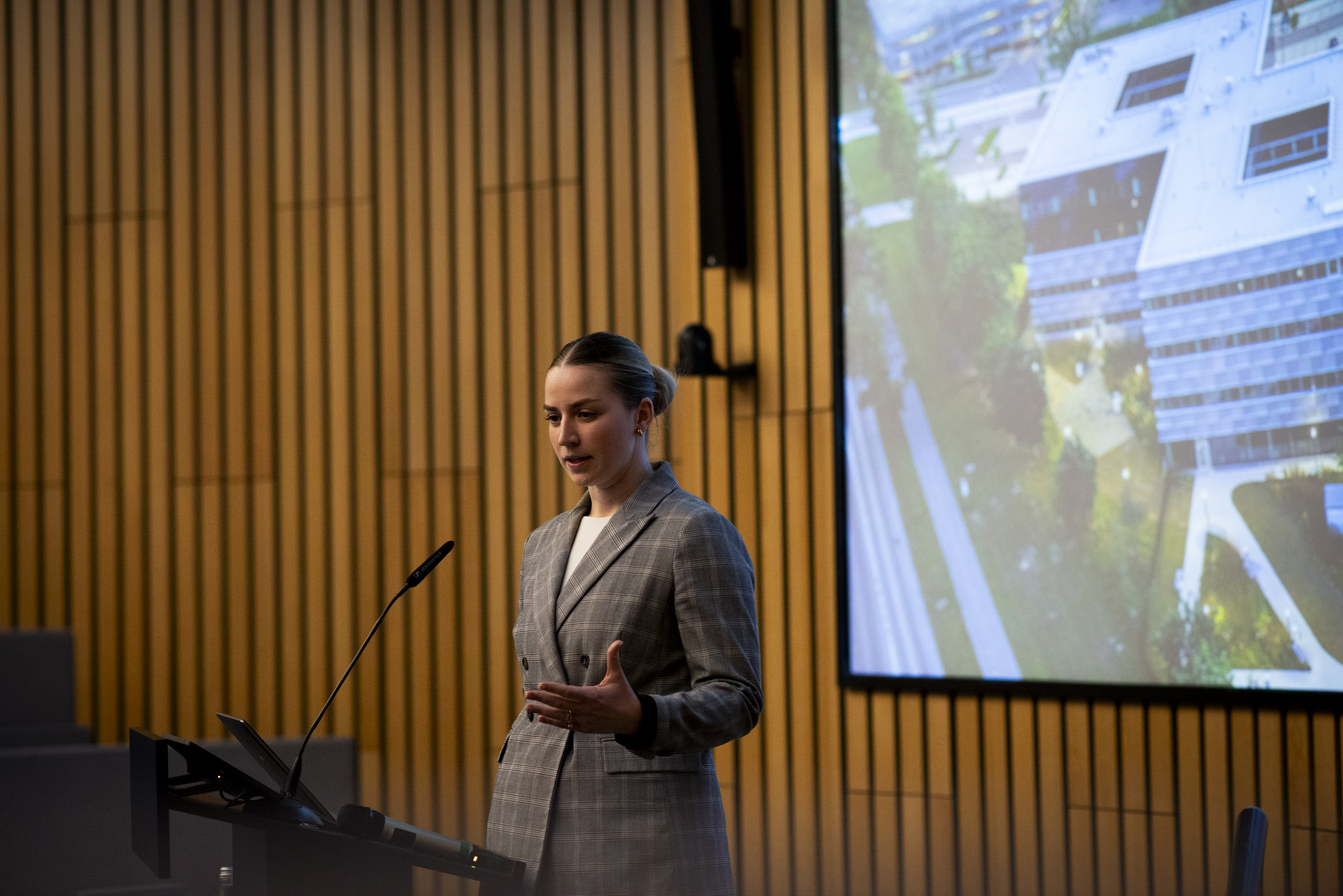 Kornelija Rauduvytė Jimenez / MF archive
Prof. Dr Poškus said he was pleased not only with the projects secured and papers published, but also with the broader progress being made by the Institute. “Equally important is the growth of our research community, the operation of shared research infrastructure, the emergence of our first patent applications and the development of results with translational potential. These achievements show that we are laying the foundations for sustainable, internationally competitive research,” he said.
The Institute’s activities are also beginning to have a wider impact on society and health policy. Policy recommendations are being developed, expert opinions provided and public health initiatives tested. This work strengthens the links between science and decision-making, creating opportunities to improve the healthcare system through evidence-based approaches.
International Collaboration and Ambitious Goals for the Future
Looking ahead, the Director of THRI emphasised the Institute’s ambition to expand international collaboration, attract substantial international research funding and increase the global visibility of its scientific achievements. Its long-term ambitions include securing major international research projects, publishing highly cited papers, establishing spin-off companies, developing new patents and centres of excellence, and creating international research leadership positions within the Institute.
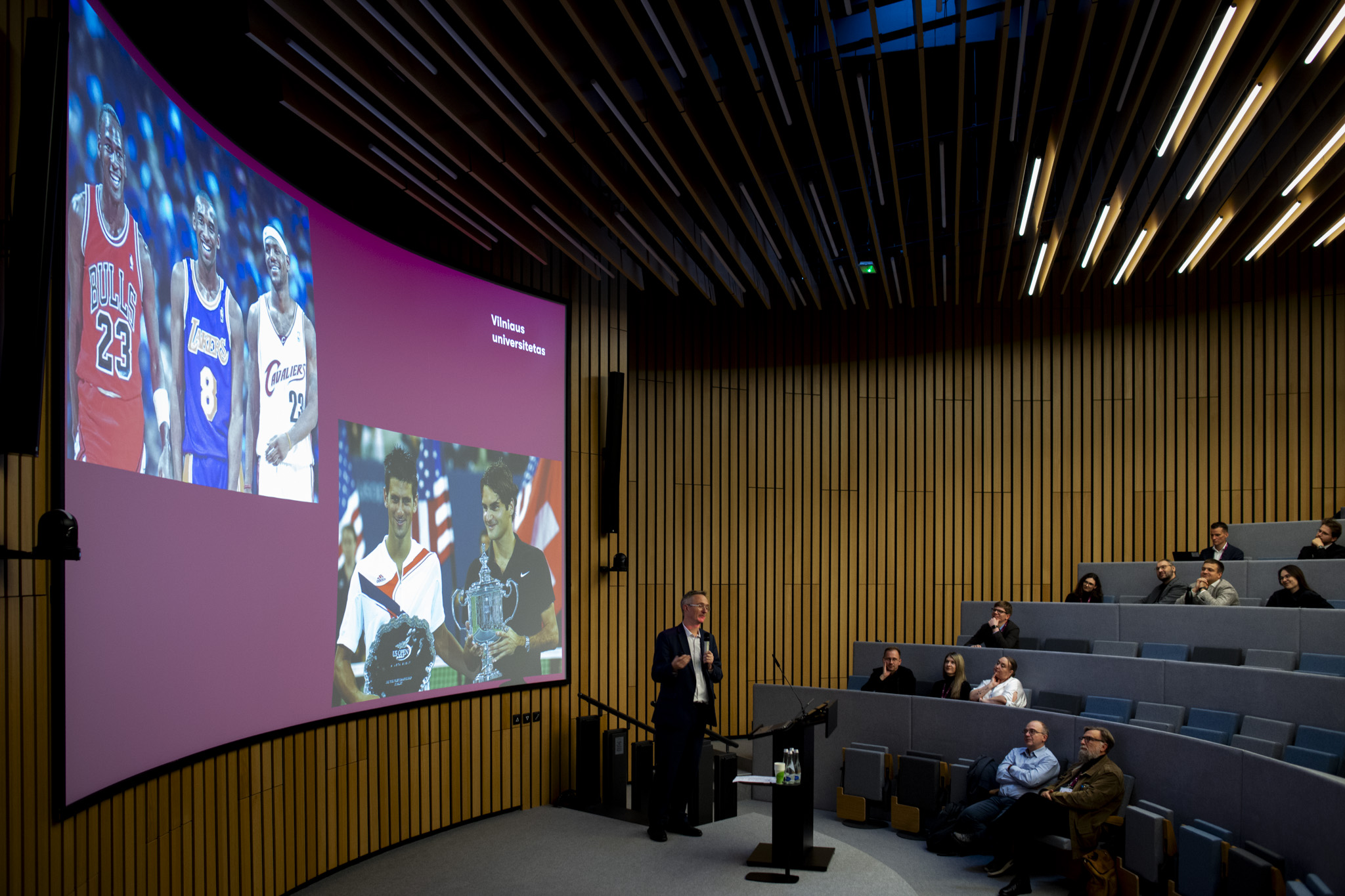 Prof. Dr Poškus / MF archive
Other priorities include diversifying funding sources, strengthening high-level international partnerships and increasing the Institute’s contribution to national health policy and the development of clinical and public health recommendations.
“Our ambition is for THRI’s research achievements to gain international recognition and for their value to extend beyond publications alone. We want our research to contribute to new diagnostic and treatment options, public health solutions and health policy development. This will require strong international partnerships, sustainable funding and continued investment in people and infrastructure,” Prof. Dr Poškus said.
The Institute’s annual conference has become an important forum for assessing progress, discussing new scientific ideas and strengthening collaboration across its community. THRI will continue to develop internationally competitive health research, promote the integration of research and studies, and ensure that new knowledge delivers tangible benefits for patients and society.
Photo gallery (MF archive):


