

On 9 April 2025, a conference, titled ‘Undergraduate and postgraduate study prospects in the changing Lithuanian political environment’, was held in the Medical Science Centre of Vilnius University (VU), followed by a contact fair organized by the VU Faculty of Medicine, in partnership with the Vilnius University Students’ Representation (VU SA). This event facilitated an important discussion forum for educational and healthcare institutions, and politicians, on the direction of medical studies in Lithuania and how they might meet the needs of the healthcare system and the training of young medical professionals. Students and residents of all cycles and study programmes had a chance to meet potential employers, make helpful contacts, and exchange ideas on good practice.
The participants were welcomed by the Lithuanian Minister of Health, Marija Jakubauskienė. ‘The Faculty of Medicine is my alma mater, so being here, I feel a strong sense of obligation. This conference provides a head-start and is a great opportunity to publicly discuss potential ways of coping with the challenges facing not just Lithuania, but the whole of Europe. Countries are competing among themselves for healthcare professionals; therefore, it is critical that we ensure sufficient medical training, meet the needs of the population, direct and motivate physicians to work in the regions, and attract diasporic nurses and physicians back to us,’ she explained. According to the minister, we must retain all physicians working in healthcare, improve their working conditions, and create a mental health-friendly work environment. Importantly, the insights gained during the event will be put on the Ministry’s agenda when creating solutions for the current and anticipated future shortage of medical staff.
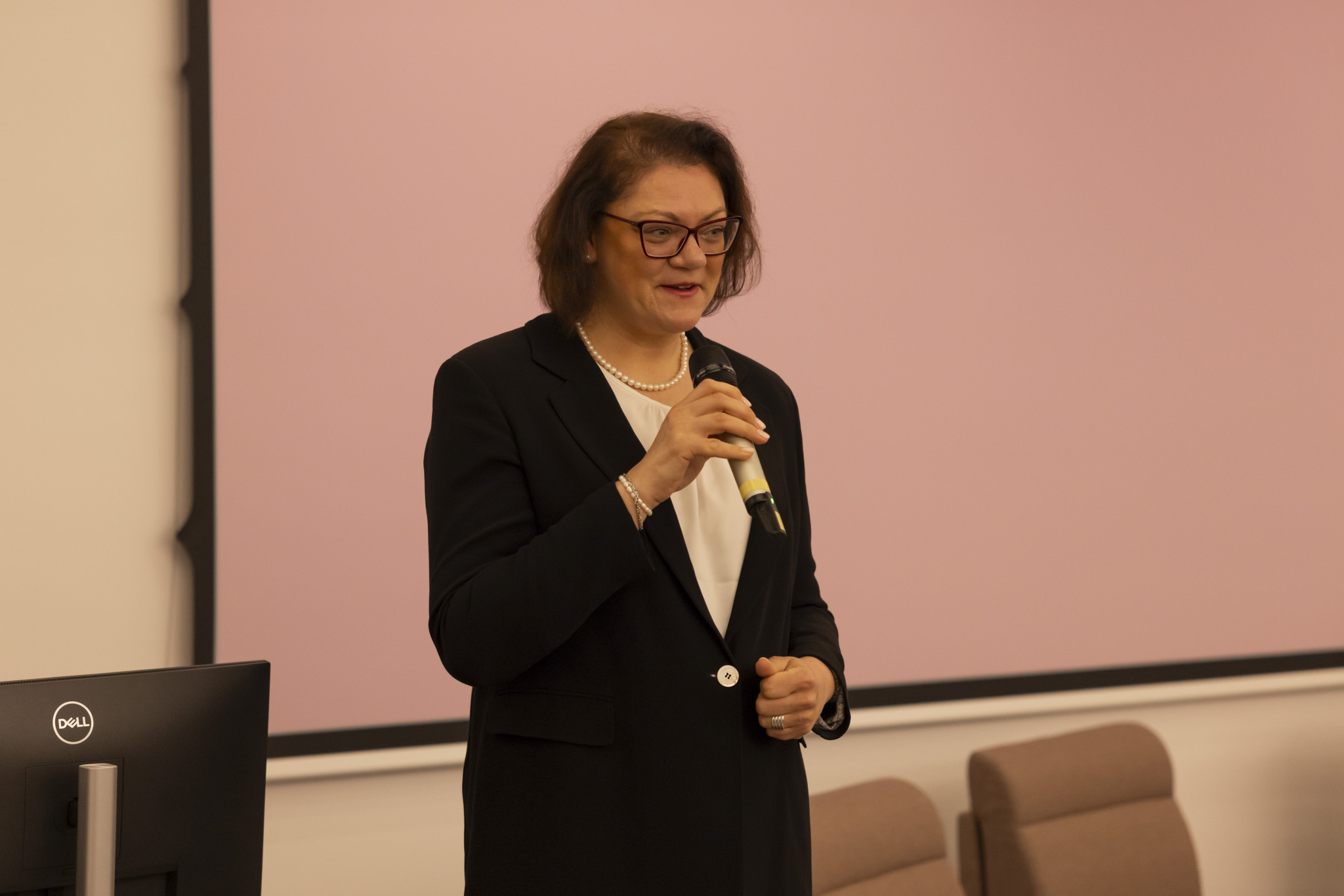 Lithuanian Minister of Health, Marija Jakubauskienė / Faculty of Medicine archive
Conference participants highlighted today’s political and social changes, including the current ‘tariff war’, which medical study programmes need to consider. Prof. Rimvydas Petrauskas, the rector of Vilnius University, emphasized that although the challenges change from generation to generation, the principles of knowledge, responsibility, and empathy in medicine remain the same. ‘Study innovations and the shortage of professionals are vital points for the development of the Lithuanian healthcare system. Our university must respond to changes, and through research, partnerships, and conferences such as this, we can form future decisions and share ideas,’ he said. These thoughts were supported by Prof. Juozas Kupčinskas, the dean of the Lithuanian University of Health Sciences, who highlighted Lithuania’s significant achievement—being the third country in Europe to introduce the Entrustable Professional Activity (EPA) model, that has fundamentally transformed postgraduate student training. According to Kupčinskas, ‘Due to political cycles, new people are bound to enter the system, but we can appreciate that universities are a place where the foundations of medical education and an understanding of the system remain, regardless of changes in our political circumstances.’ Assoc. Prof. Laura Nedzinskienė, the vice-dean of the Faculty of Medicine at VU, highlighted that the conference was not only about how subjects are taught, but also why, and what kind of a healthcare system will be needed in Lithuania over the next decades. ‘What is really important is the kind of people that are going to create it and what their values are, their attitudes toward the patient, the team, and society,’ she claimed.
At the conference, experts from Poland and Germany gave presentations on the global practice of developing study and student career models. Prof. Janusz Janczukowicz of the Medical University of Lodz discussed the international standards for medical studies against the backdrop of global crises, and the related necessity to expand one’s horizons. He claimed that although we are constrained by systems and national standards, we nonetheless must think about the content of curricula and the competences needed, rather than mere methodology. ‘They leave us really a little space for modifications of the learning process, and the results of isolated decisions will appear only after some time,’ he said. According to Janczukowicz, we must answer for ourselves: What is the cost of our training programmes and what value do they create? ‘This is about the patients: we are not doing this for students or for ourselves, we are doing this for health of our country, of our population, and of the whole global system.’
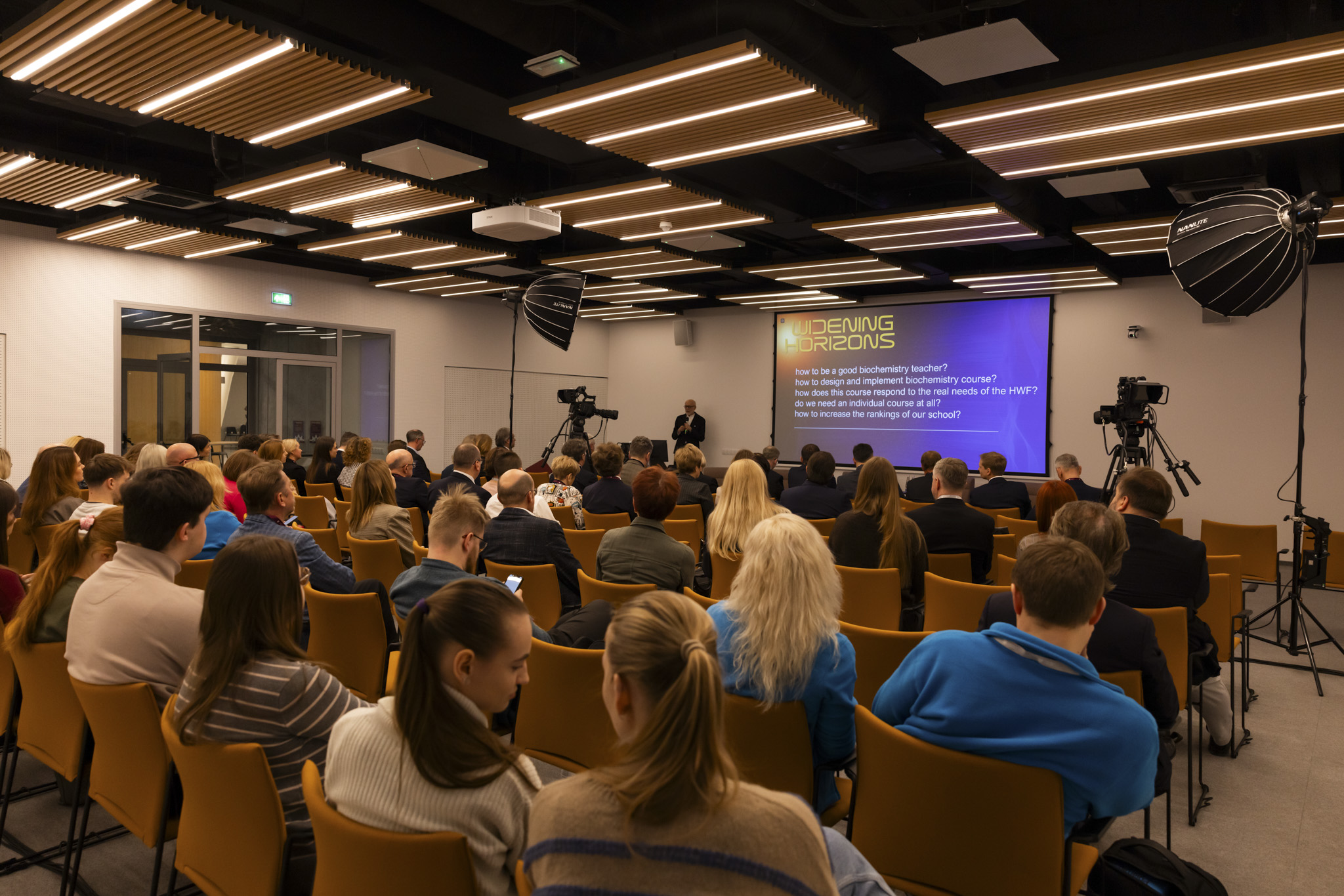 A moment from the event / Faculty of Medicine archive
Prof. Harm Peters, representing Charité – Universitätsmedizin Berlin, suggested ways to enable future physicians by encouraging healthcare innovations through postgraduate medical studies. ‘My aim is to connect the system transformation with the “educational journey” of our future physicians. As the healthcare system is in transformation, and its speed is increasing, patients expect more and are more diverse. Therefore, the postgraduate medical education is not just about keep up with it, it must lead.’
The conference also included two very engaging discussions. The first was moderated by Assoc. Prof. Laura Nedzinskienė who encouraged the panel to share ideas about the challenges associated with study programmes and asked the participants, what the best ways to develop clinical thinking and integrate research and clinical practice might be. The panellists suggested a number of possibilities, including the integration of tactical medicine into the curriculum, the improvement of the ability to quickly respond to critical situations, the development of flexible programmes, teaching more competences, paying more attention to individual student needs, the assessment of soft skills, the surrender of the idea that the practice of the older generation is the only and unquestionable way, and also, the integration of artificial intelligence into the learning process.
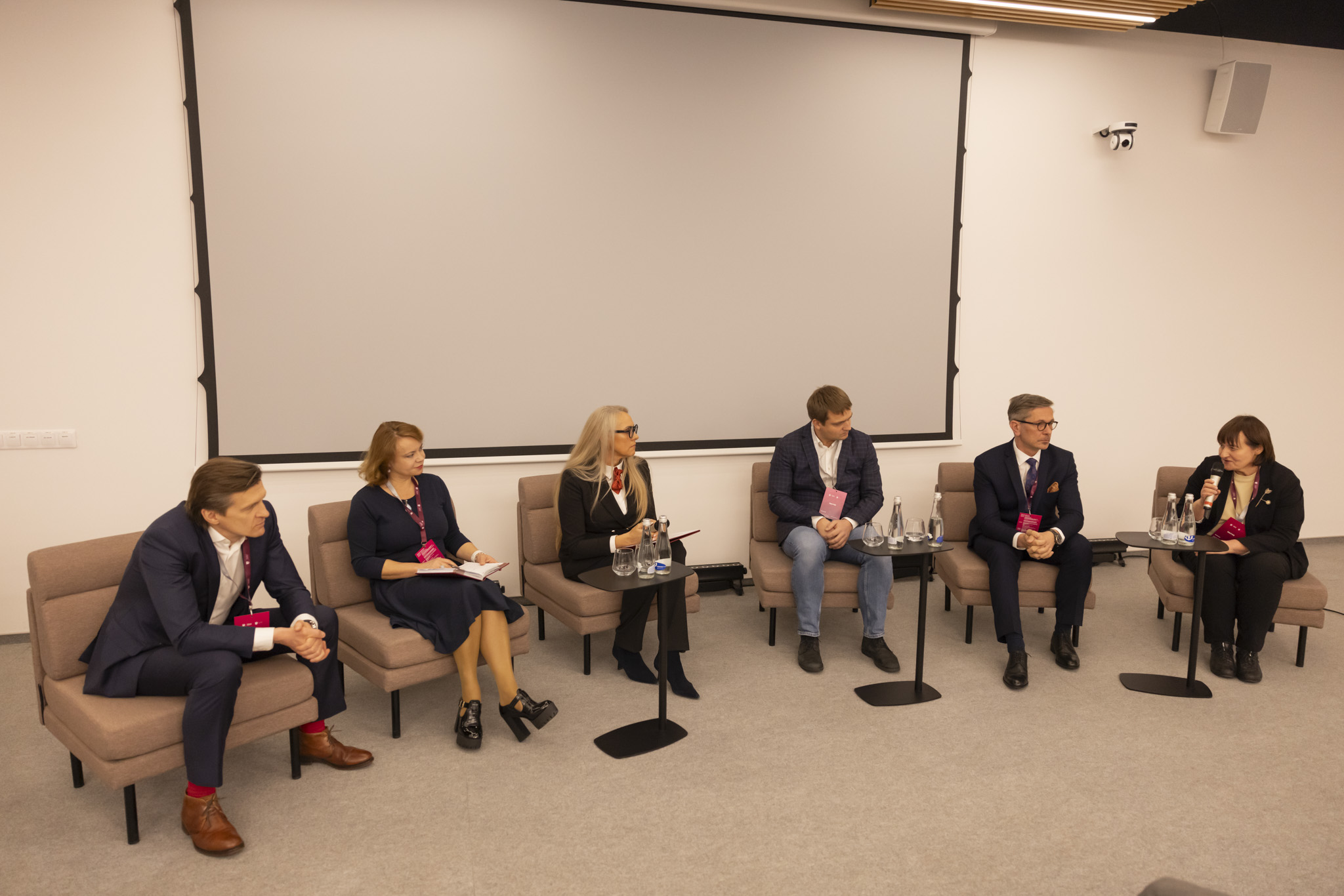 Panellists, representing the Faculty of Medicine, at Vilnius University (from the left): Assoc. Prof. Mindaugas Šerpytis (Clinic of Anaesthesiology and Intensive Care); Prof. Rūta Mameniškienė (Clinic of Neurology and Neurosurgery); Assoc. Prof. Laura Nedzinskienė; Assoc. Prof. Augustinas Baušys, surgeon (Experimental Surgery and Oncology Laboratory); Prof. Saulius Drukteinis (Institute of Dentistry); and Prof. Diana Ramašauskaitė (Clinic of Obstetrics and Gynaecology) / Faculty of Medicine archive
During the second panel, Prof. Vytautas Kasiulevičius brought participants’ attention to the shortage of healthcare specialists. He presented the current situation in Lithuania based on the recent survey concerning healthcare specialist training. Then, the panellists shared their suggestions and listed ideas that are already underway, including the need to increase funding for training nurses and the availability of residency slots, the need to eliminate redundant patient consultations from the system, while increasing contributions from the private sector in the training of professionals. Conversely, the public sector was advised to clearly state which specific fields—emergency, internal, and family medicine—are experiencing a shortage of specialists. In addition, the necessity to train advanced practice nurses and technologists was highlighted. Addressing the problem of attracting physicians to the regions, the panellists emphasized that working conditions and equipment need to be improved. It was also suggested that students must be encouraged to develop a different outlook on work in the regions from the very beginning, viewing it not as a sacrifice but an equally good job, and that medicine is a calling, and specialists are needed in the regions, as well as prestigious university hospitals. For example, the speakers noted that resorts are quite attractive compared to other towns, but remuneration should be regulated across Lithuania. They also called for financial incentives for physicians who graduated using their own funds and an increase in healthcare funding, following the example of the European Union, in the long term.
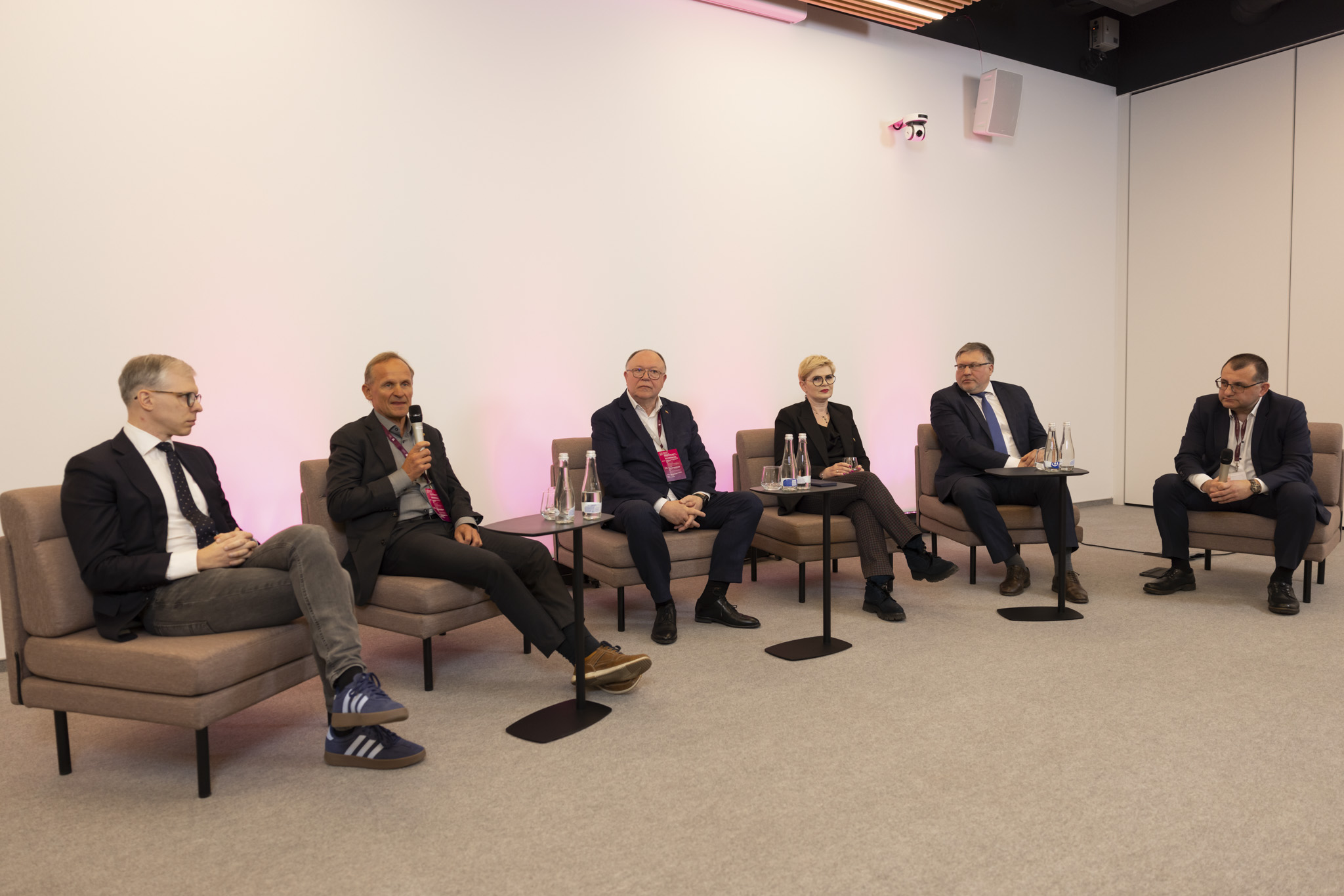
Panellists (from the left): Dean of the Lithuanian University of Health Sciences Prof. Juozas Kupčinskas; Member of Parliament Rimas Jankūnas; Member of Parliament Linas Urmanavičius; Vice-Minister of Health Jelena Čelutkienė; Health Advisor to the Prime Minister Evaldas Navickas; Prof. Vytautas Kasiulevičius, Faculty of Medicine, Vilnius University / Faculty of Medicine archive
As part of the conference, the contact fair brought together students, residents and potential employers. Stand holders at the fair presented their healthcare institutions and organized speed job interviews. Students also had an opportunity to participate in the seminars on job searches by Lina Uturytė. Finally, the event addressed the changes in the medical residency system and held workshops on EPA implementation, the role of clinical teachers, and the improvement in residency practice.
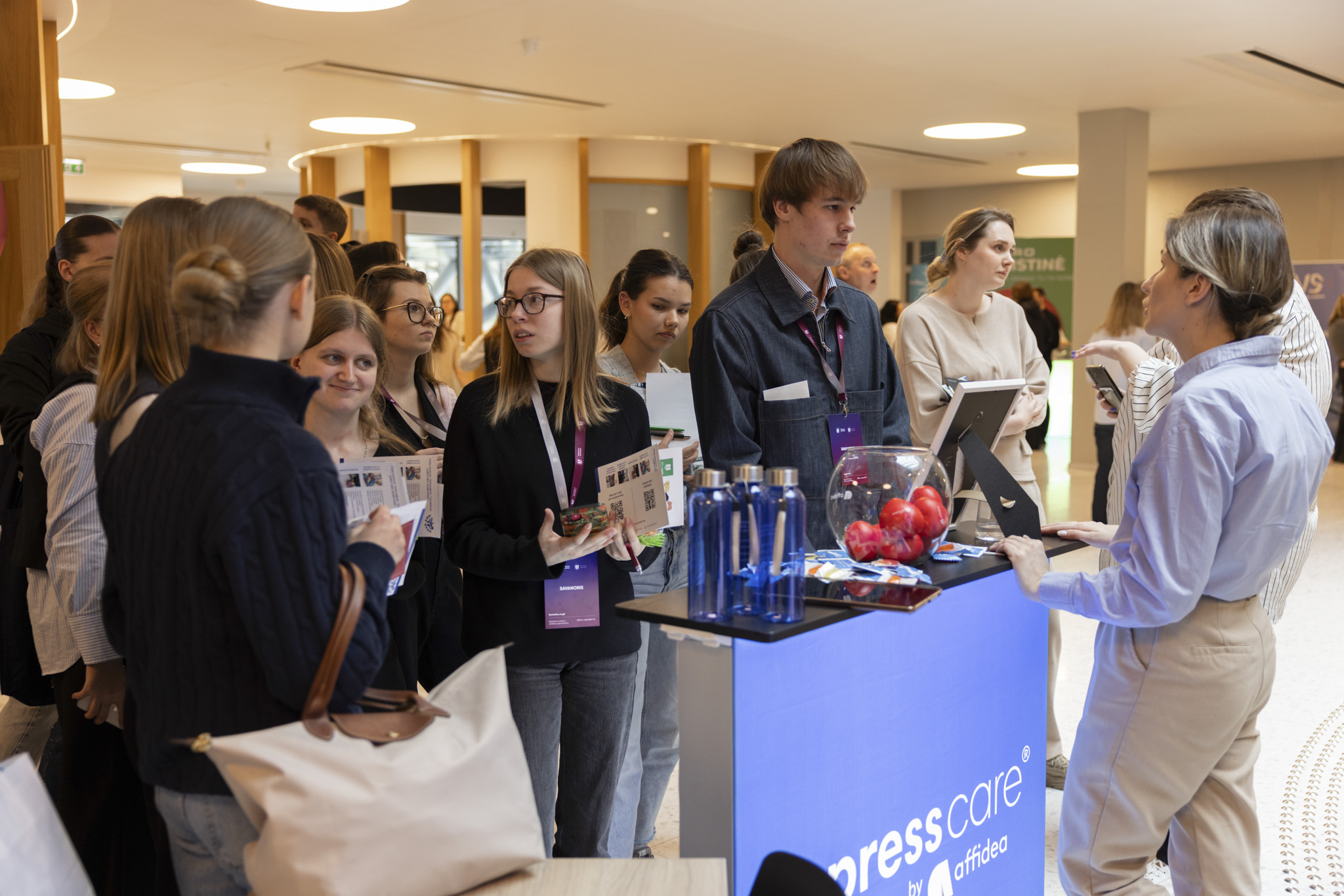 A moment of the Contact fair / Faculty of Medicine archive


