

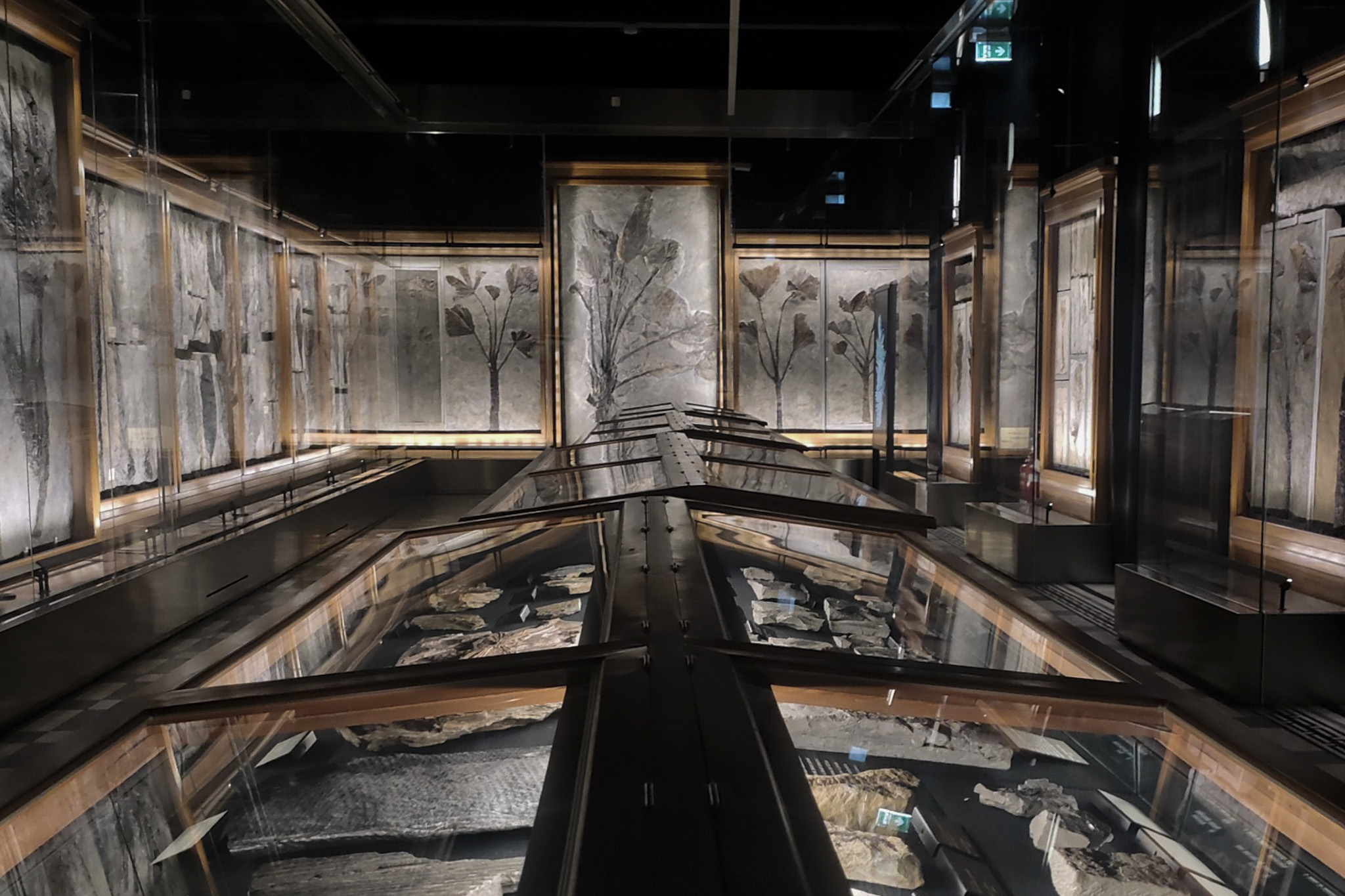
 The Museum of Nature and Mankind in Padua / Personal archive photo
The University of Padua (Italy) and Vilnius University (Lithuania) recently co-organized a joint exchange visit as part of the Arqus European University Alliance, funded under the Arqus Twinning 2.0 Projects of 2024. Through their active engagement in this international initiative, students and faculty contributed to stronger academic collaboration, promoted student-led innovation, and fostered shared European values in higher education.
A Collaborative Academic Delegation
The programme took place in Padua from 5–9 May, and in Vilnius from 12–16 May 2025. On both occasions, a five-day agenda of collaborative learning, intercultural exchange, and joint academic activities was delivered, focusing on exploring and reinterpreting Europe’s medical heritage from both an educational and cultural perspective.
Vilnius University was represented by Dr Dario Piombino-Mascali, a human biologist from the Department of Anatomy, Histology and Anthropology, together with medical students, Eglė Valčiukaitė and Edgaras Zaboras, and PhD students, Jovita Kadikinaitė and Angela Mollica Nardo.
In Padua, the group was hosted by Dr Alberto Zanatta, a medical historian from the Department of Cardiac, Thoracic, Vascular Sciences and Public Health. He later accompanied the team to Vilnius, along with medical students, Alice Maran, Sara Raimondi, Marianna Stancher, Chiara Vercellino, and Giulia Zanetti.
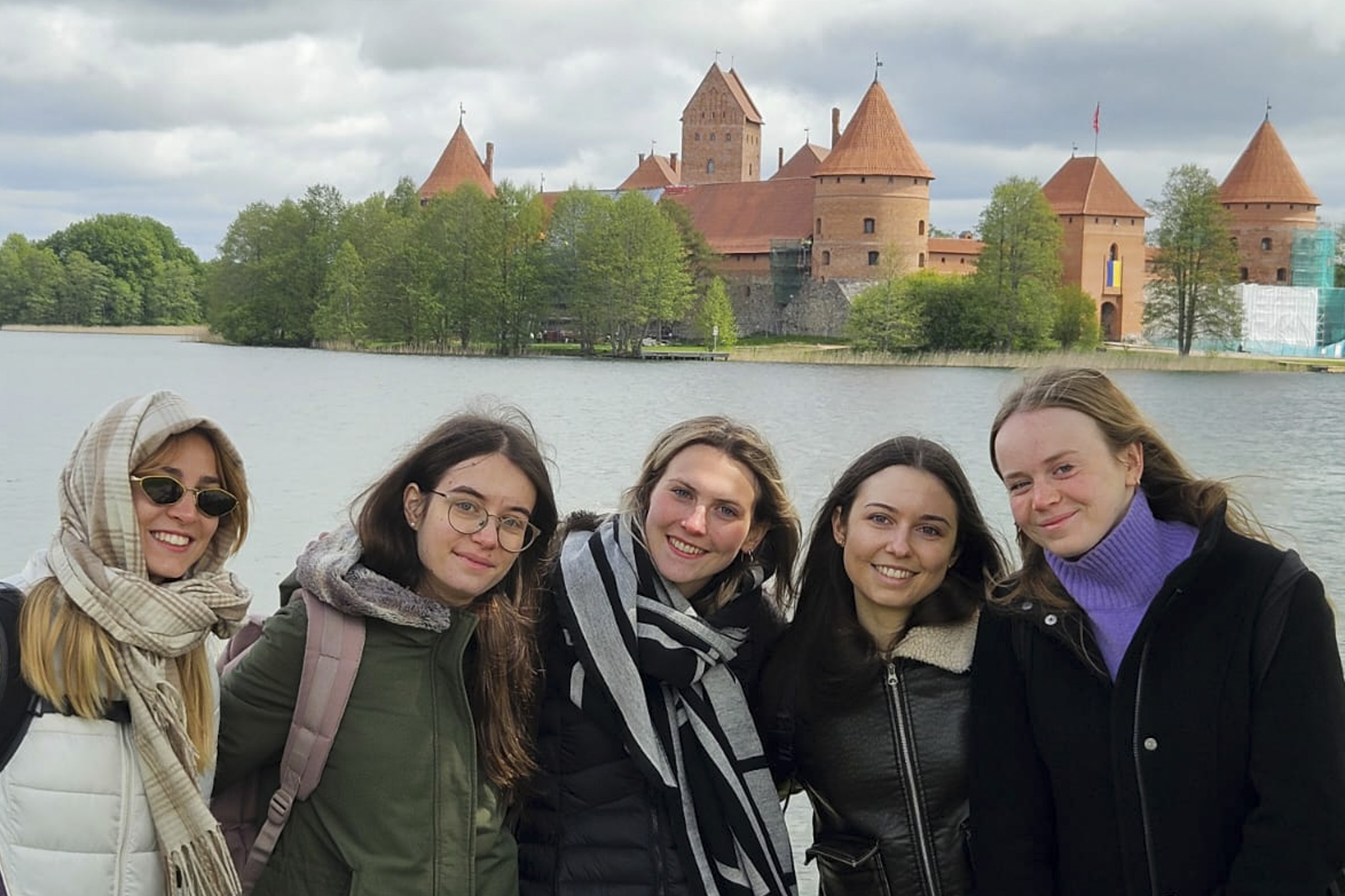 Students from University of Padua visiting Trakai / Personal archive photo
Learning from the Past to Inform the Future
Following Dr Zanatta: "Medical history and the humanities are fundamental to the personal development of medical students and young physicians. They foster an understanding of the evolution of disease, therapeutic practices, and the care provided by both professionals and families. This project, based on the paleopathological and paleo-medical heritage preserved in European anatomy, pathology and natural sciences museums, aimed to educate students on the cultural and academic value of these assemblages, that include both normal and anomalous specimens."
These historic collections are vital resources for medical studies. Notably, Padua’s Morgagni Museum houses one of the most significant and unique anatomical collections in Europe and is renowned for both the prestige of its creators and the way its exhibits are curated for the public.
In Vilnius, attention was given to the Anatomy and Pathology Collection, currently stored in several rooms of Vilnius University’s historical premises. The programme includes the visualization, examination, and documentation of many of the specimens from both institutions. After Dr Piombino-Mascali: "Evaluating signs of disease, preservation methods, and conditions now rarely seen complements the educational aims of this initiative. It offers students from two different academic environments the opportunity to engage with these collections, learn about historical ailments and mortality, understand ethical considerations in handling human remains, and gain hands-on experience with an extensive osteological collection containing thousands of unique paleopathological specimens."
A Legacy of Learning
Founded in 1222, the University of Padua is among the oldest higher education institutions in the world. Its alumni include Polish astronomer, mathematician and economist Nicolaus Copernicus, Belgian anatomist Andreas Vesalius, the Polish King and Grand Duke of Lithuania Stephen Bathory and the English physician and physiologist William Harvey, and it proudly lists the Italian physicist and astronomer Galileo Galilei among its former educators. The University of Padua is historically linked to Vilnius University, founded by the Jesuits in 1579, by a trace of Italian teaching culture – the first dean of the Vilnius University Faculty of Medicine was an Italian physician Stefano Lorenzo Bisio.
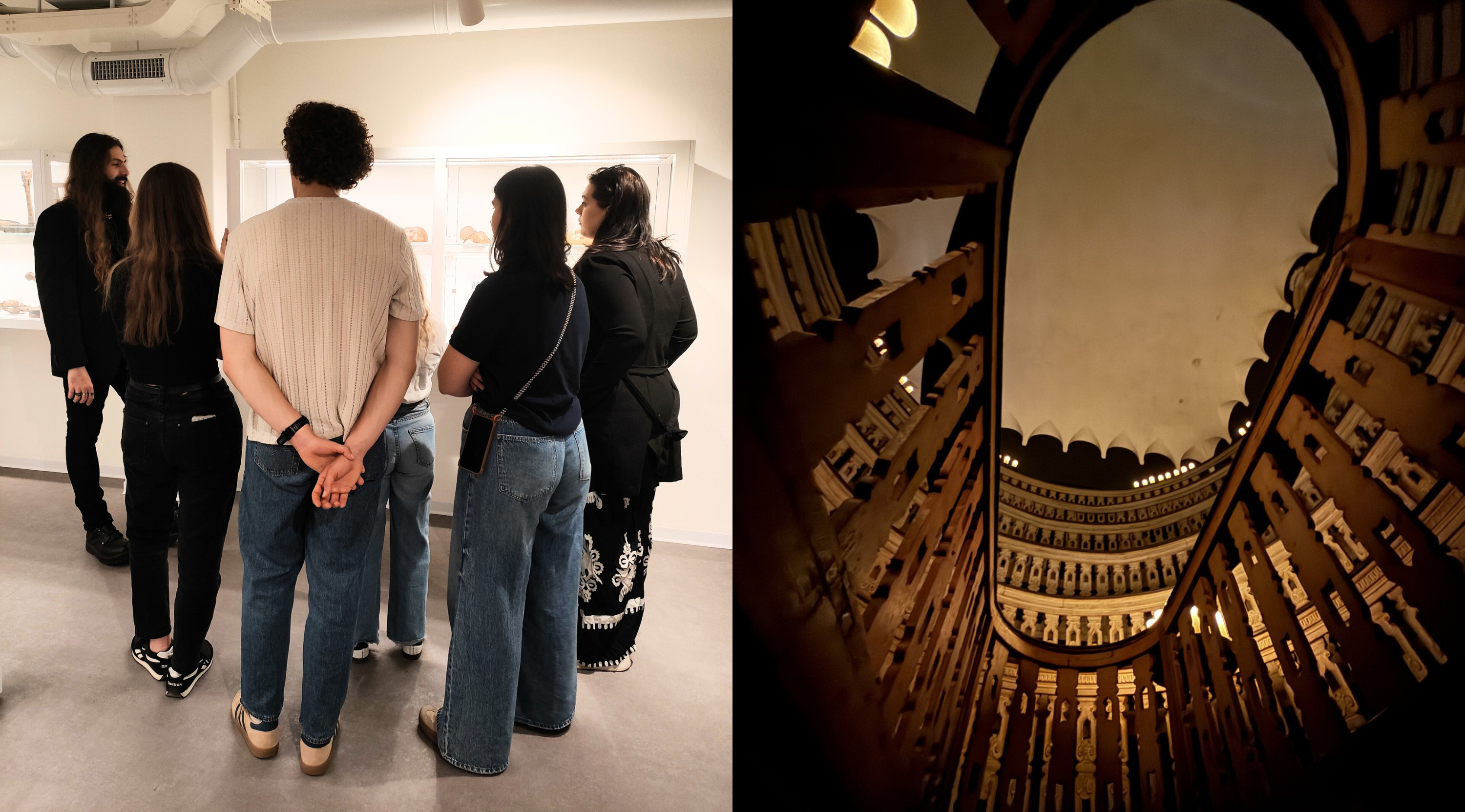 Visiting the Morgagni Museum of Pathology (left); Theater of Anatomy at University of Padua (right) / Personal archive photo