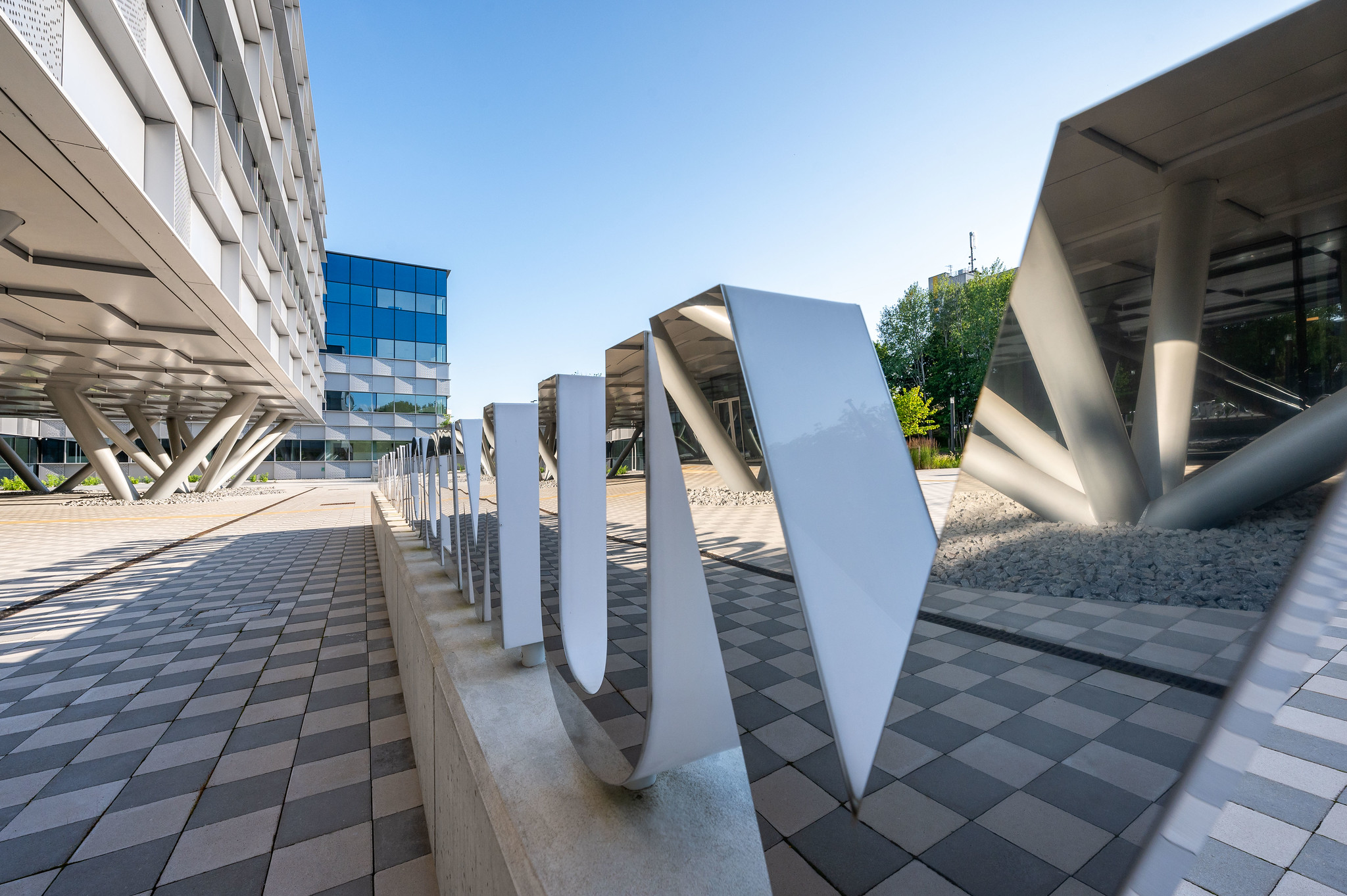
 Medical Science Centre of the Vilnius University ,Faculty of Medicine / Photo by Ričardas Čerbulėnas
Four projects under the "My First Research Team" programme implemented by the Research Council of Lithuania are being launched at Vilnius University (VU) Faculty of Medicine. The programme is designed for early-career researchers embarking on their path towards independent research leadership. Project leaders Assoc. Prof. Dr Rytis Masiliūnas, Dr Justinas Bacevičius, Assoc. Prof. Dr Augustinas Baušys and Dr Audrys Gabrielius Pauža are among the 89 early-career researchers selected in the 2026 programme competition from 18 Lithuanian research and higher education institutions.
The four projects getting underway will focus on stroke care and the use of health data, remote heart rhythm monitoring, postoperative infections, and obesity-related neuropathy of adipose tissue. The projects will be implemented from 1 September 2026 to 31 August 2029.
"Developing a Learning Health System for Stroke Care in Lithuania" (MPK-38)
Project team:
- Assoc. Prof. Dr Rytis Masiliūnas – project leader, neurologist and Associate Professor at VU FM. His research focuses primarily on stroke care, the use of health data, and the implementation of data-driven solutions.
- Julius Juodakis – Senior Research Fellow at the Centre for Digital Medicine, Institute of Translational Health Research (ITHR), VU FM; postdoctoral researcher in the project.
- Gertrūda Kaubrytė – Junior Research Fellow in the project.
- Edgaras Zaboras – Specialist at the ITHR, VU FM; project specialist.
The project team will develop a learning health system model for stroke care in which clinical practice, data analysis and evidence-based decision-making are interconnected, enabling the care system to continuously improve on the basis of real-world patient data and treatment outcomes, while systematically facilitating the secondary use of health data.
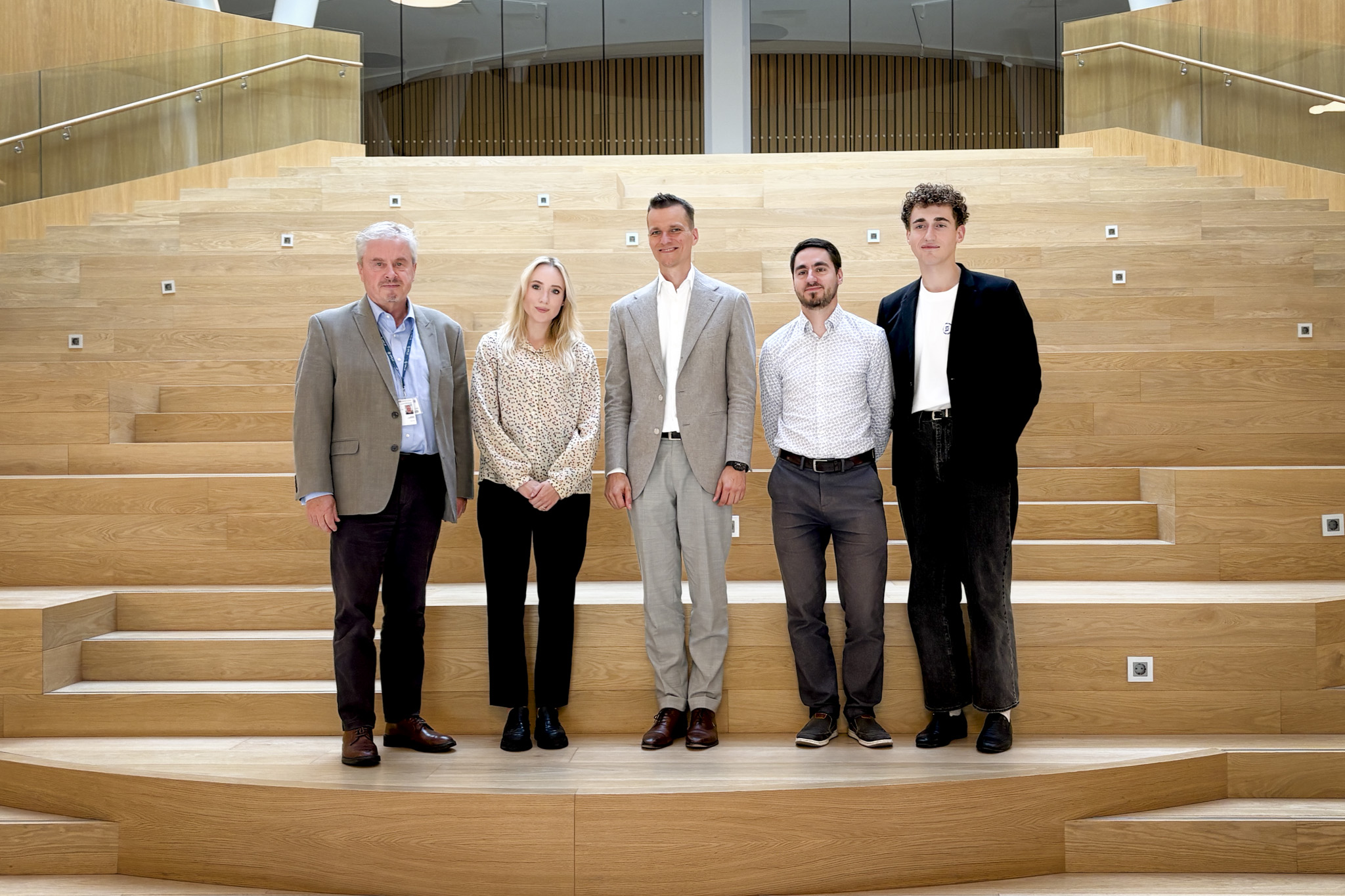 Team of the project "Developing a Learning Health System for Stroke Care in Lithuania“ / MF archive
"Clinical Application of a Novel Wrist-Worn Smart Device for Remote Monitoring and Early Diagnosis of Cardiac Arrhythmias" (MPK-27)
Project team:
- Dr Justinas Bacevičius – project leader, the Head of the Centre for Health Technologies and Remote Monitoring at the Institute for Translational Health Research, Faculty of Medicine, Vilnius University, and an interventional cardiologist-electrophysiologist. His research focuses primarily on the diagnosis of cardiac arrhythmias, long-term remote patient monitoring, and the clinical application of wearable technologies.
- Dr Viktorija Bacevičė – postdoctoral researcher in the project.
- Guostė Stankevičiūtė – project specialist.
- Gintarė Pudinskaitė – project specialist.
- Deimilė Audzijonienė – project specialist.
- Lina Bliudžiutė – project specialist.
- Sofija Šestak – project specialist.
- Mindaugas Smetaninas – project specialist.
- Vytautas Radavičius – project specialist.
- Eugenijus Jasiūnas – Biostatistician at the ITHR, VU FM; project specialist.
The project team will investigate the use of a wrist-worn smart device for long-term remote heart rhythm monitoring in real-world daily-life settings. The study will assess whether such monitoring can facilitate earlier detection of episodic cardiac arrhythmias, link patient-reported symptoms with heart rhythm, and provide clinically relevant information to support treatment decisions. The project will also evaluate the technology’s diagnostic reliability, clinical value, and potential for integration into routine healthcare practice.
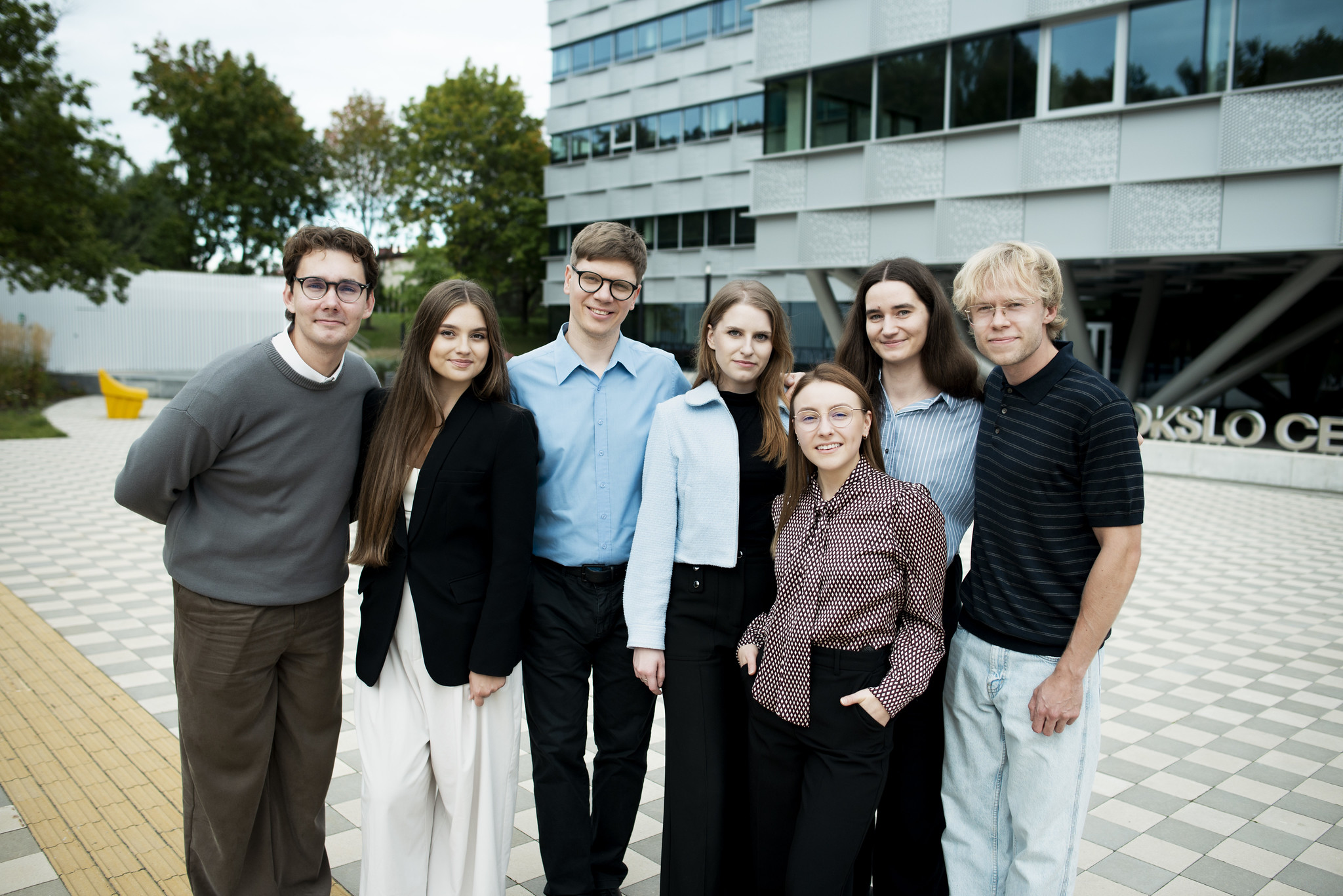 Team of the project "Clinical Application of a Novel Wrist-Worn Smart Device for Remote Monitoring and Early Diagnosis of Cardiac Arrhythmias" komanda / MF archive
"Investigating the Gut–Surgical Infection Axis: The Role of the Gastrointestinal Microbiota in the Pathogenesis of Postoperative Infections" (MPK-35)
Project team:
- Assoc. Prof. Dr Augustinas Baušys – project leader, Head of the Laboratory of Experimental Surgery and Oncology at the ITHR, VU FM, Associate Professor and abdominal surgeon. His research and clinical work focuses primarily on gastrointestinal cancer surgery and novel treatment methods.
- Dr Matas Jakubauskas – postdoctoral researcher in the project;
- Kornelija Rauduvytė Jimenez – Junior Research Fellow at the Laboratory of Experimental Surgery and Oncology, ITHR, VU FM;
- Paulina Kazlauskaitė – Laboratory Technician at the Laboratory of Experimental Surgery and Oncology, ITHR, VU FM; Junior Research Fellow in the project.
The project team will investigate the potential role of the patient's gut microbiota in the development of surgical site infections following gastrointestinal cancer surgery. The so-called "Trojan horse" hypothesis will be tested under real-world clinical conditions. According to this hypothesis, postoperative infections are caused by bacteria from the patient's own gut microbiota, which are transported to the surgical wound by the host's immune cells. Through a clinical study using state-of-the-art sequencing methods, the project aims to confirm or refute this potential mechanism of infection and to lay the groundwork for new microbiota-based infection prevention strategies in the future.
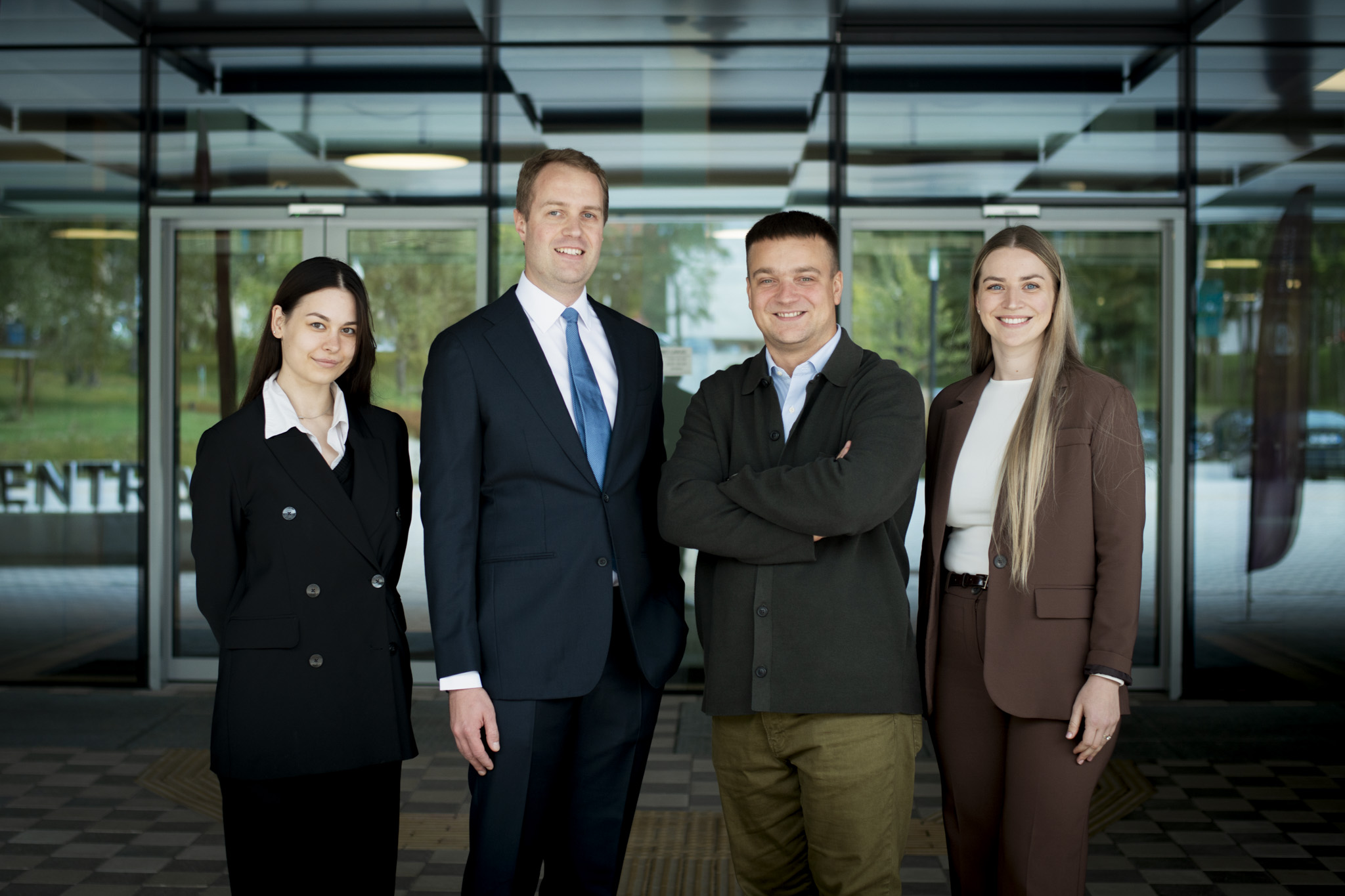 Team of the project "Investigating the Gut–Surgical Infection Axis: The Role of the Gastrointestinal Microbiota in the Pathogenesis of Postoperative Infections"/ MF archive
"Lipid Exposure in Obesity-Associated Adipose Tissue Neuropathy" (MPK-41)
Project team (currently being formed):
- Dr Audrys Gabrielius Pauža – project leader, neuroscientist at the ITHR, VU FM. He gained international research experience at the University of Bristol in the United Kingdom and the University of Auckland in New Zealand. His research focuses primarily on neural regulation of blood flow, neuroimmune interactions, and the mechanisms underlying cardiovascular and metabolic diseases.
The project team will investigate the links between changes in lipid metabolism and impaired neural regulation of adipose tissue, with the aim of gaining a better understanding of the role of neuroimmune interactions in the development of obesity.
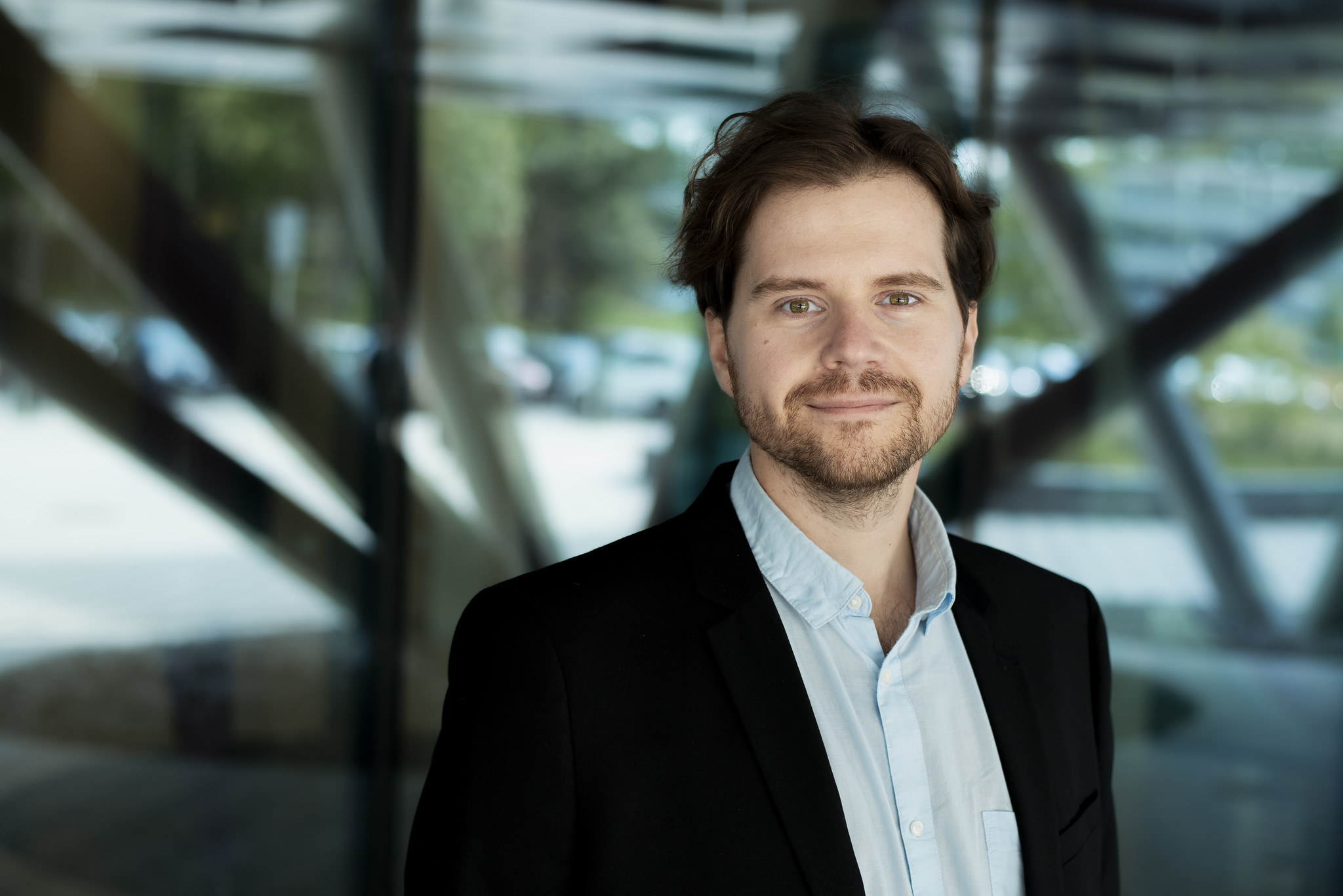 Dr Audrys Gabrielius Pauža / MF archive
According to Assoc. Prof. Dr Karolis Ažukaitis, Vice-Dean for Research and Innovation at the VU Faculty of Medicine, it is encouraging to see the emergence in Lithuania of funding instruments that provide significant opportunities for early-career researchers to embark on independent research careers. ‘The fact that as many as four projects at the Faculty of Medicine have secured this highly competitive funding demonstrates that the Faculty is a place where a new generation of independent researchers can successfully develop their careers, while also becoming increasingly attractive to talent from abroad. For early-career researchers, this funding provides an opportunity to build their own teams and develop their research areas systematically, while for the Faculty, it strengthens the link between research and clinical practice. Although the projects cover very different topics, they all have a clear focus on clinical practice and improving outcomes for patients,’ he said.
Programme "My First Research Team" provides early-career researchers with the opportunity to independently lead a research project for the first time, establish their own research team, and strengthen their research leadership and international collaboration competencies. The programme aims to strengthen the research potential of Lithuanian research and higher education institutions, encourage the formation of new research groups, and attract researchers from Lithuania and abroad. As part of the programme’s selection processes, positions were therefore also advertised through international academic networks, including EURAXESS.
The implementation of the four projects launched this year by representatives of the VU Faculty of Medicine will strengthen research teams led by early-career researchers, creating opportunities to develop international collaboration and new research directions. The knowledge and solutions generated through these projects will contribute to closer interaction between research and clinical practice, while their results may, in the future, be applied to improve the diagnosis, treatment and prevention of diseases.