

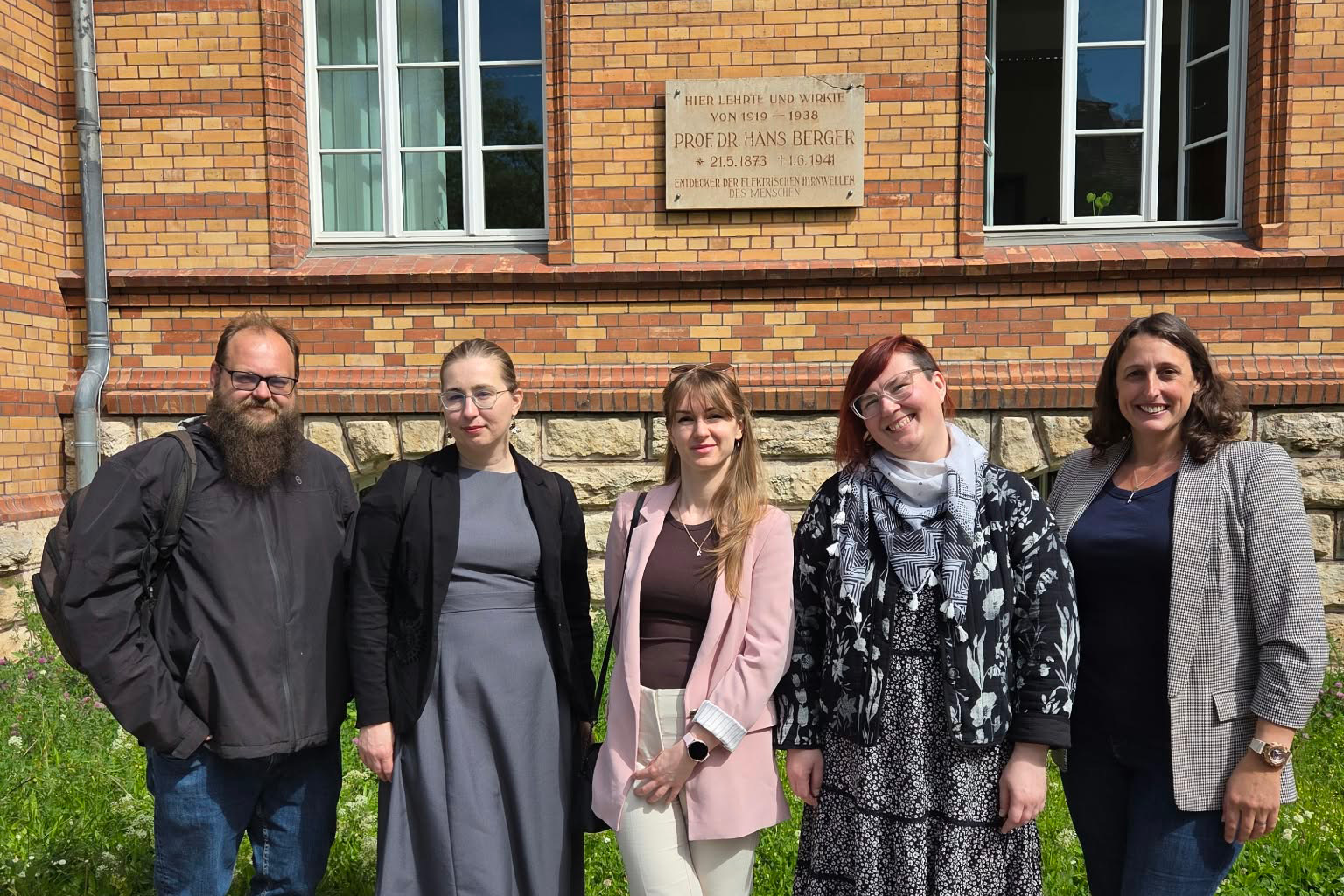
Researchers from the Translational Health Research Institute at the Faculty of Medicine, Vilnius University, together with colleagues from Rīga Stradiņš University (Latvia) and Jena University Hospital (Germany), have successfully completed the key activities of the international project “From Community Screening to Neuroimaging: Training for Early Detection of Cognitive Decline in Baltic–German Collaboration”. The project was implemented from February to October 2026, bringing together researchers, clinicians and early-career scientists to strengthen research capacity and international cooperation in cognitive ageing and brain health.
The project was funded through the Baltic-German University Liaison Office (Hochschulkontor), with support from the German Academic Exchange Service (DAAD) using funds provided by the German Federal Foreign Office. Vilnius University coordinated the consortium, combining expertise in neuroimaging and biomarkers, cognitive assessment and test adaptation, and clinical dementia research.
From Community Screening to Neuroimaging
The project's central aim was to bridge the gap between accessible community-based screening approaches and advanced methods for detecting early cognitive decline. Particular attention was given to improving cognitive assessment, integrating functional brain measures, and promoting interdisciplinary approaches to studying cognitive ageing.
The consortium implemented a diverse programme of activities:
- 6 coordination and research meetings, facilitating international collaboration and knowledge exchange;
- 4 practical workshops, addressing clinical trial design, cognitive assessment methodology, stakeholder engagement and translational research;
- 1 scientific lecture, supporting the exchange of specialised knowledge;
- 1 interdisciplinary Bootcamp programme, providing early-career researchers with mentorship and opportunities to develop collaborative research protocols and methodological approaches;
- 2 social media campaigns, promoting awareness of cognitive ageing, dementia and early detection;
- 2 public events, encouraging dialogue between researchers, healthcare professionals and wider audiences.
A particular achievement was the Baltic–German Mapping Early Brain Change Bootcamp, which connected young researchers with experienced mentors across institutions and disciplines. Participants worked collaboratively on research questions spanning cognitive screening, functional brain assessment and public engagement.
Bringing the Research Community Together
The project culminated in the international conference “Resilient Minds, Vulnerable Minds – Understanding Cognitive Ageing”, held on 16 October 2026 at the Medical Science Centre of the Vilnius University Faculty of Medicine.
 Moment of the event / Personal archive
The conference brought together a broader international network of colleagues and collaborators beyond the original consortium. Presentations and discussions addressed mechanisms of cognitive ageing, early indicators of cognitive change, cognitive training and neurofeedback, neurophysiological and sensory markers, cognitive reserve, and opportunities to translate research into clinical practice and public awareness.
An important theme was the value of knowledge and public engagement: understanding cognitive ageing is not only about developing more sensitive assessment tools, but also about making scientific evidence accessible and meaningful to individuals, communities and healthcare professionals.
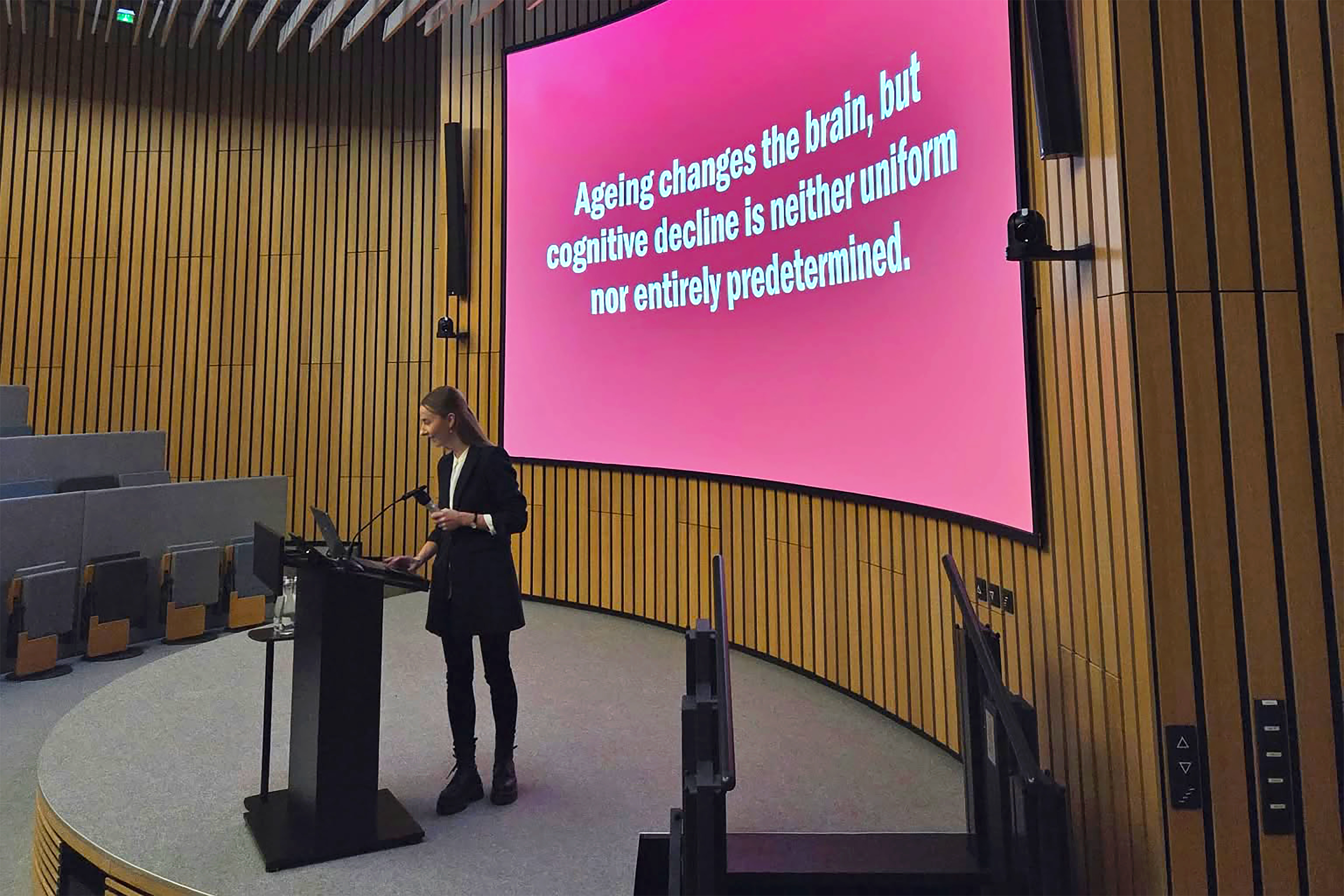 Moment of the event / Personal archive
Building a Foundation for Future Collaboration
Beyond individual training activities and scientific discussions, the project strengthened Baltic–German research connections, encouraged interdisciplinary exchange and created opportunities for future joint research.
By bringing together expertise from Lithuania, Latvia and Germany, while also engaging colleagues from other countries, the initiative supported the development of a wider international network focused on cognitive ageing, brain health and the early detection of cognitive decline.
Although the project activities have concluded, the partnerships, research ideas and collaborative opportunities developed through the initiative provide a foundation for continued scientific cooperation.
The project “From Community Screening to Neuroimaging: Training for Early Detection of Cognitive Decline in Baltic–German Collaboration” is a project of the Baltic-German University Liaison Office, supported by the German Academic Exchange Service (DAAD) with funds from the Foreign Office of the Federal Republic of Germany.